Projects
SH 72 4-Lane Reconstruction + Widening
DeWitt County (Nordheim to Yorktown), TX
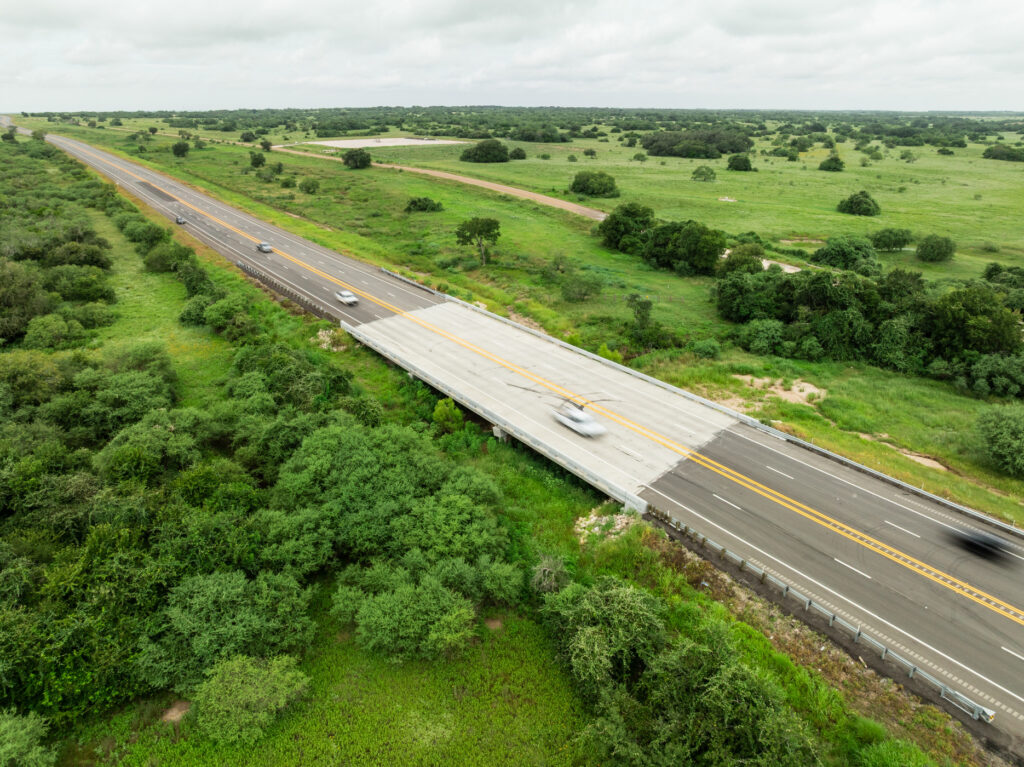
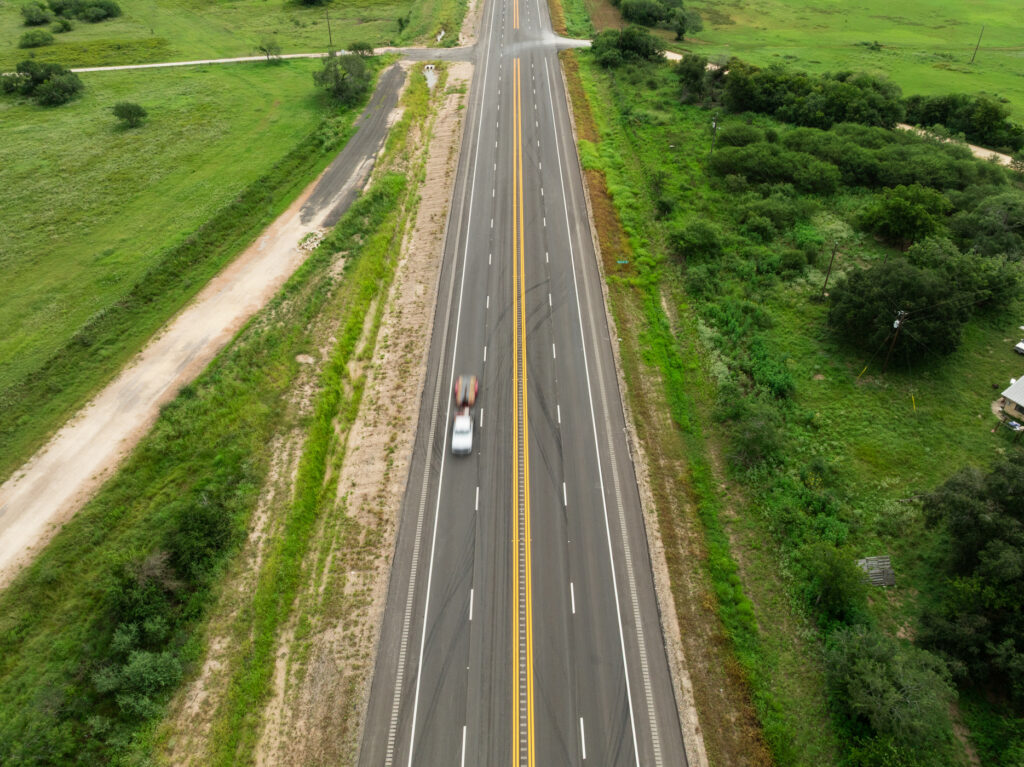
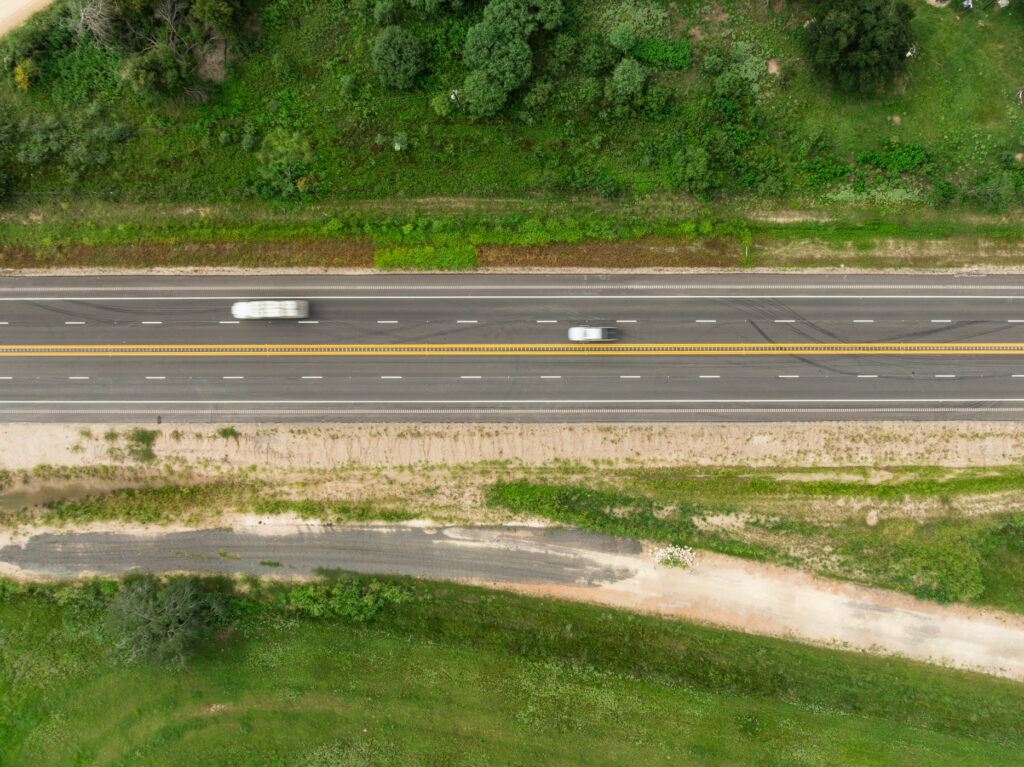
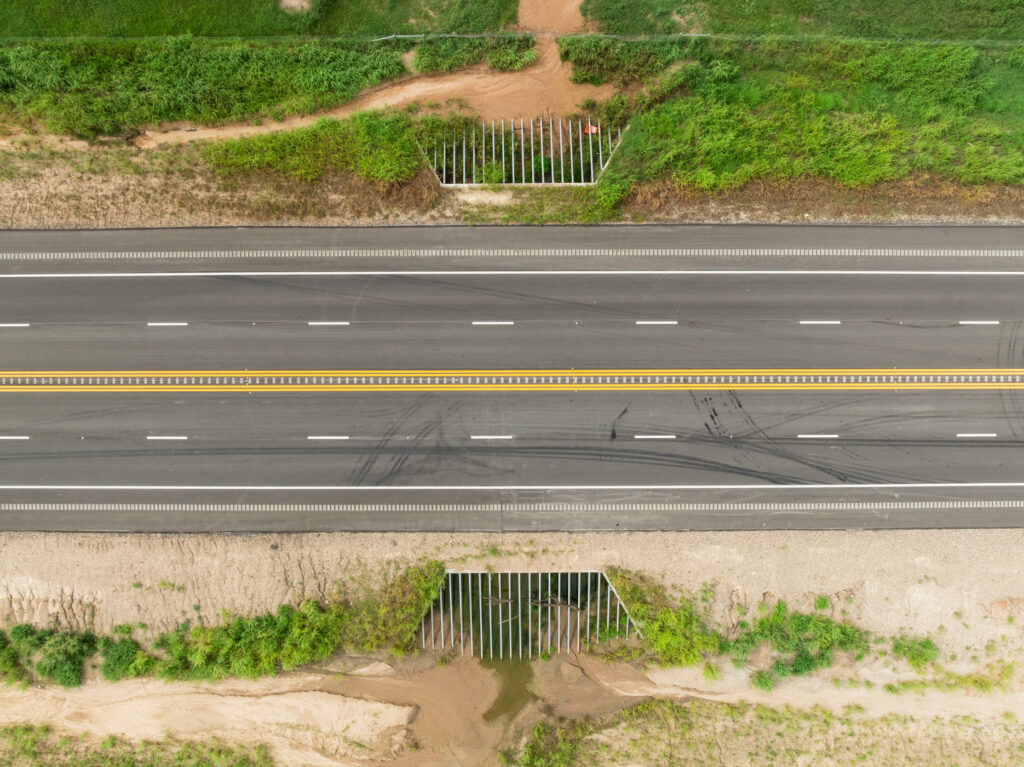
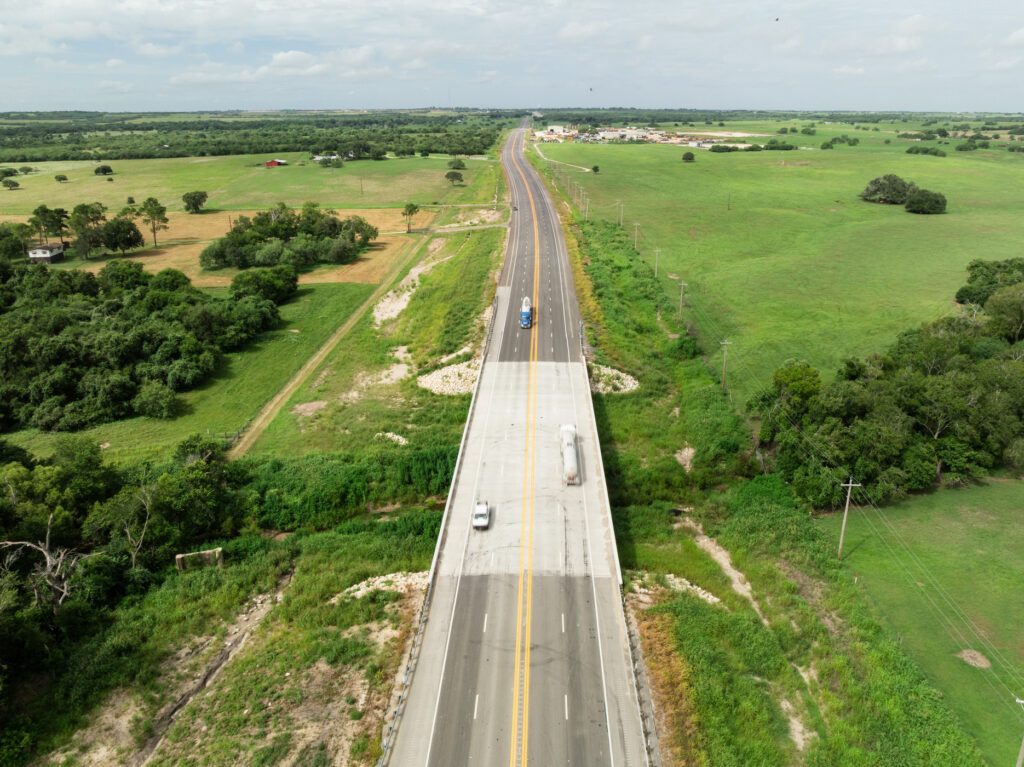
PGAL was the prime consultant for both the Schematic and PS&E phases of this 10-mile rural widening project along SH 72 in DeWitt County, extending from Nordheim to Yorktown.
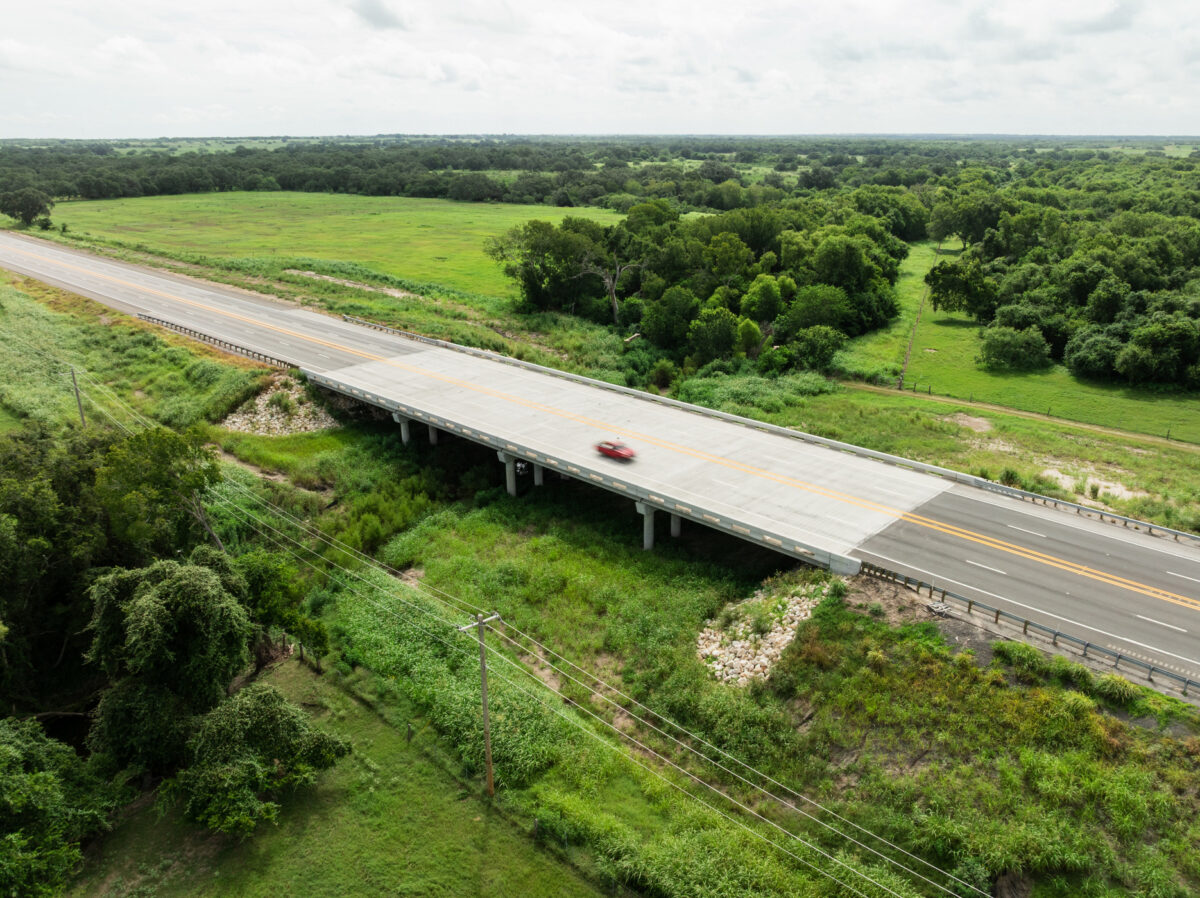
The project converted a two-lane highway into a four-lane undivided facility with left-turn lanes at key intersections along a high-volume freight corridor. PGAL led the design effort from the early stages of planning when the project was conceived as a Super 2, through to construction completion.
Located in the Eagle Ford energy sector, this project involved extensive utility challenges, including eight major oil and gas pipelines, crossing and running parallel to the project, with multiple active well sites along the ROW. To minimize the impacts of a significantly wider project, PGAL evaluated multiple routes, alignments, and lane configurations, ultimately developing a combination of innovative design solutions to reduce utility relocations and environmental impacts.
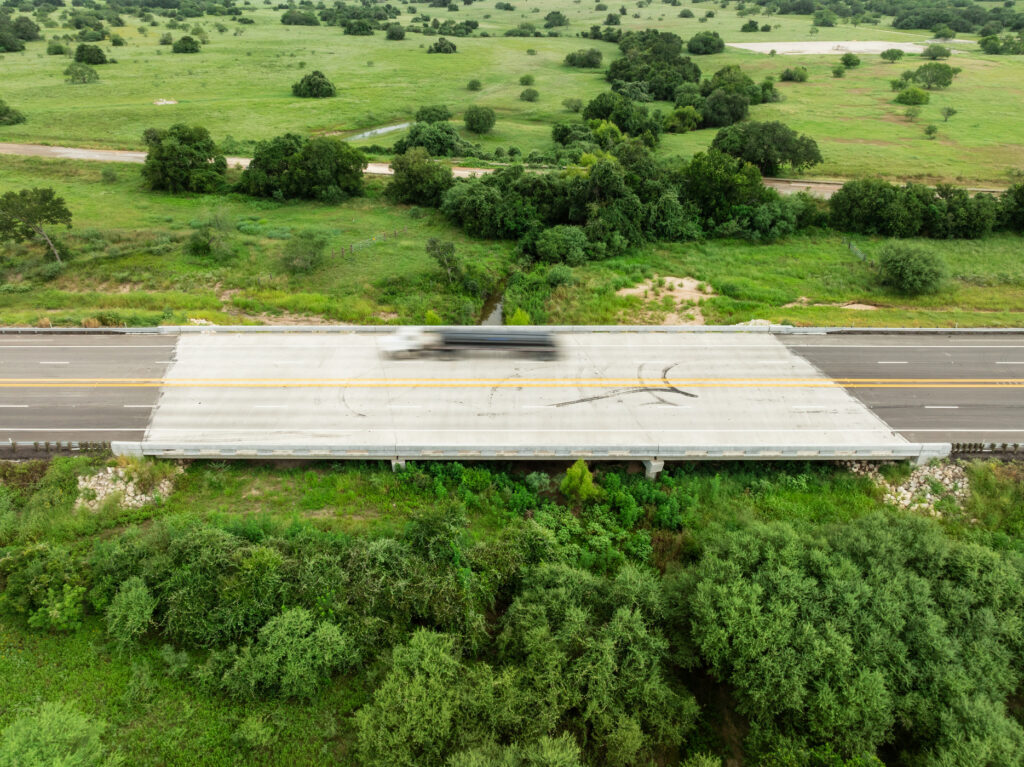
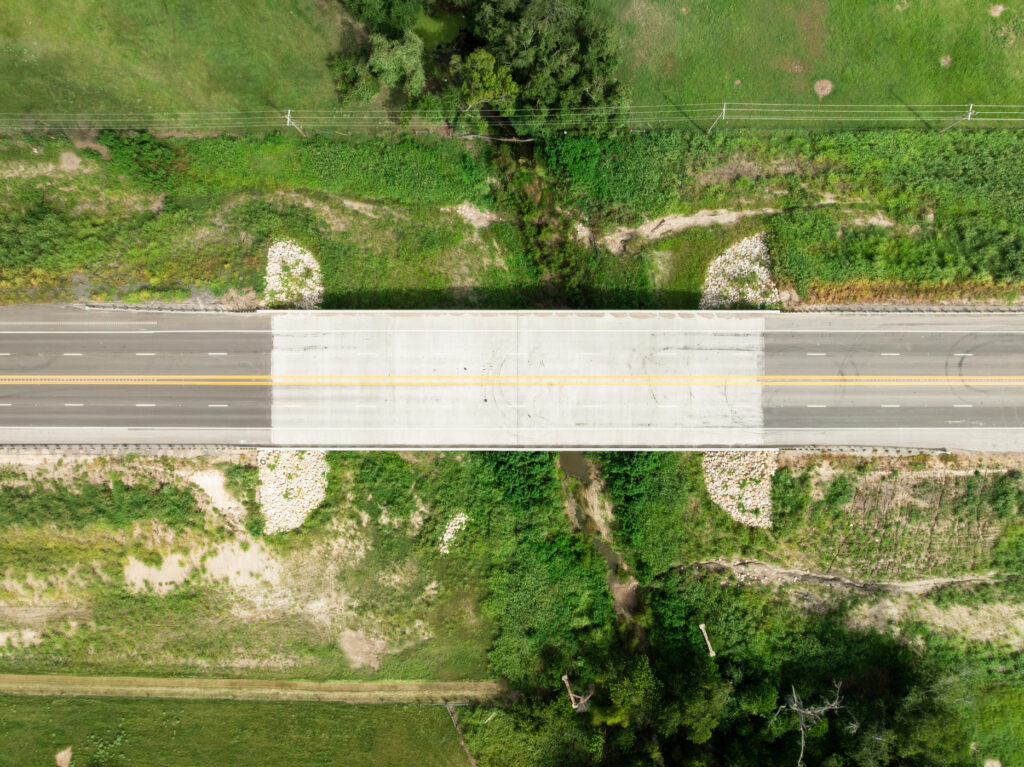
PGAL also designed new bridges over Smith Creek and Cabeza Creek that avoided wetland impacts and raised the bridges out of the floodplain. The new Cabeza Creek bridge was designed in a new location made possible by a realignment that eliminated a design waiver for a sharp curve and avoided dozens of reimbursable pipeline conflicts.
Working closely with TxDOT on public outreach, PGAL led public meetings and hearings, met with affected property owners, and mapped the right-of-way to acquire the 53 parcels required to construct the project. PGAL also helped orchestrate a complex land-swap agreement with a major landowner, that enabled the new alignment through the southern section of SH 72 avoiding major pipeline relocations.
Around the town of Nordheim, where a major conflict with city utilities was unavoidable, PGAL relocated and designed 5,000 feet of new water and sanitary line using the SP2125 Grant Program—a seldom-used funding mechanism that in this case enabled PGAL to complete the project on schedule.
SH 7 Rehabilitation + Widening
Garden Oaks + Shepherd Park Plaza Neighborhood Drainage + Paving Improvements (East, West & Central Phases)
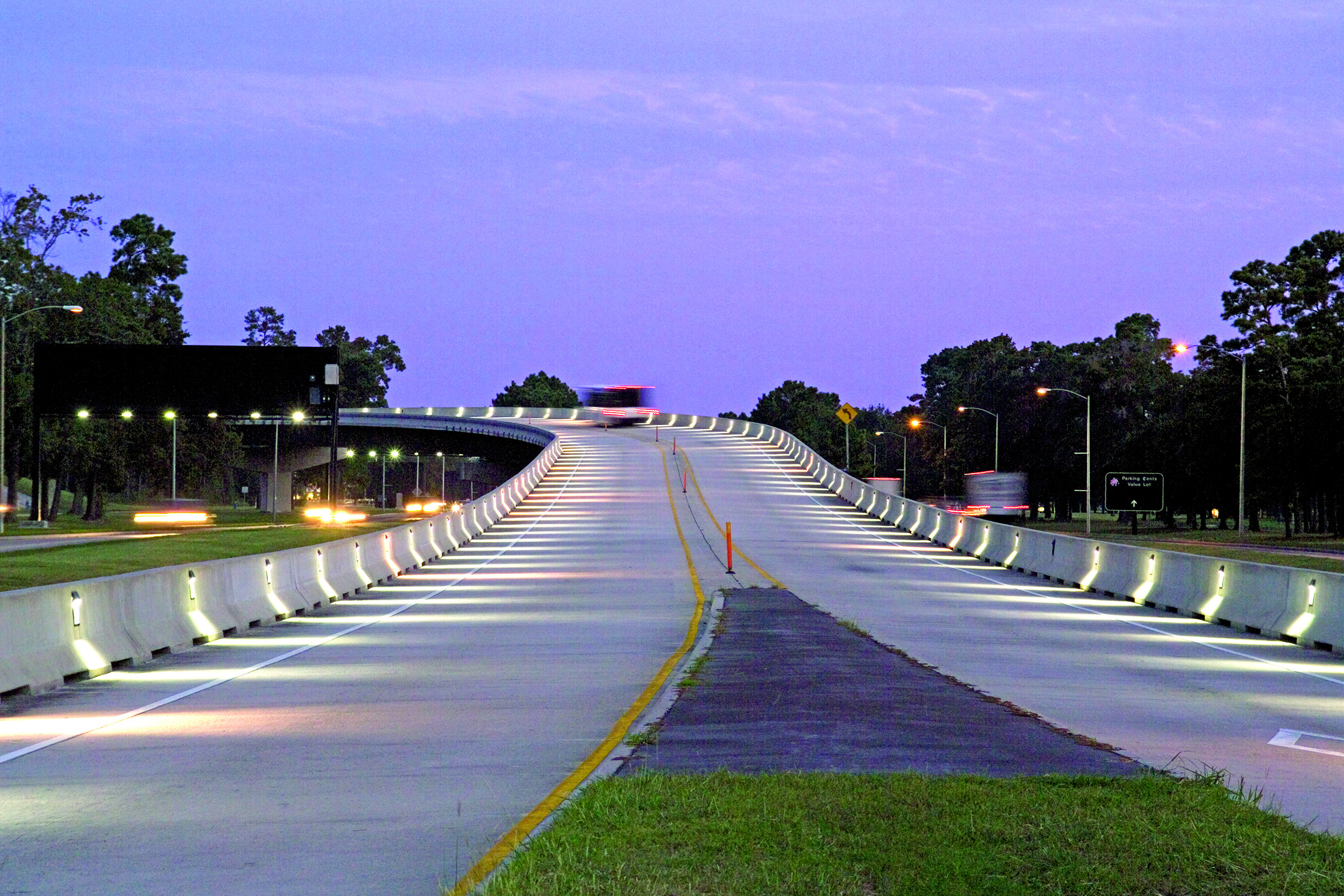
JFK Bus Flyover at George Bush Intercontinental Airport (IAH)
US 290 / SH 36 Schematic – Freeway Interchange
US 59/77 Freeway Conversion
SH 64 Super 2 Passing Lane Widening