Projects
Dallas Fort Worth International Airport (DFW) Terminal F Expansion
Dallas, TX
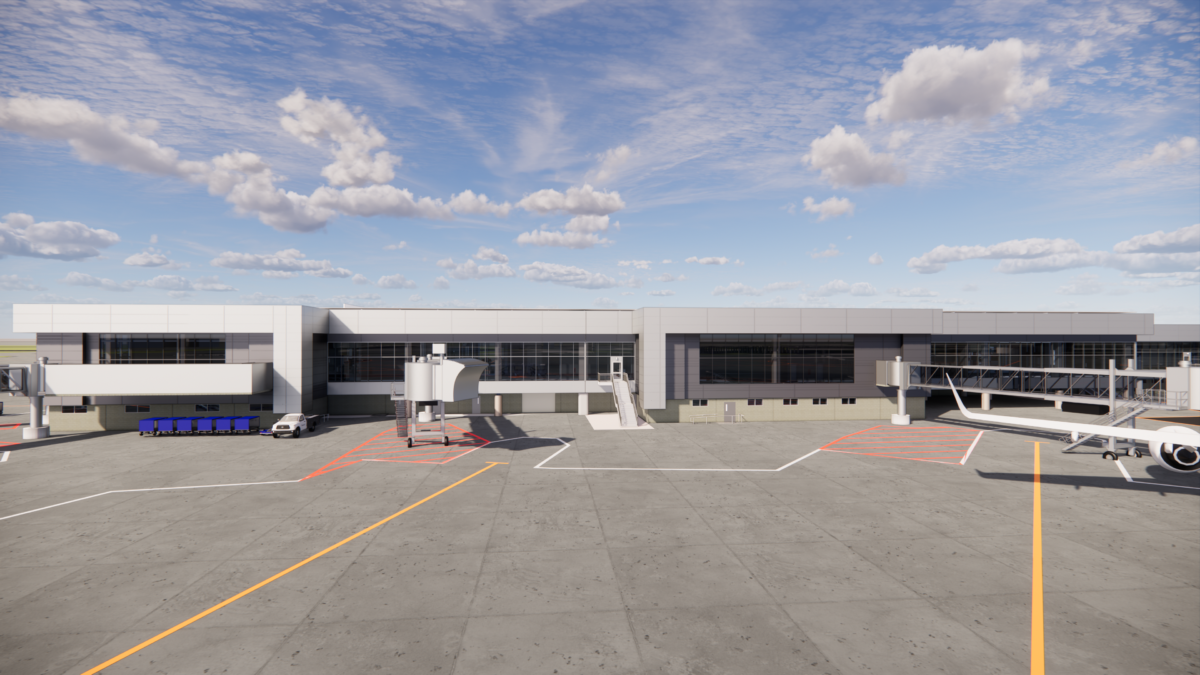
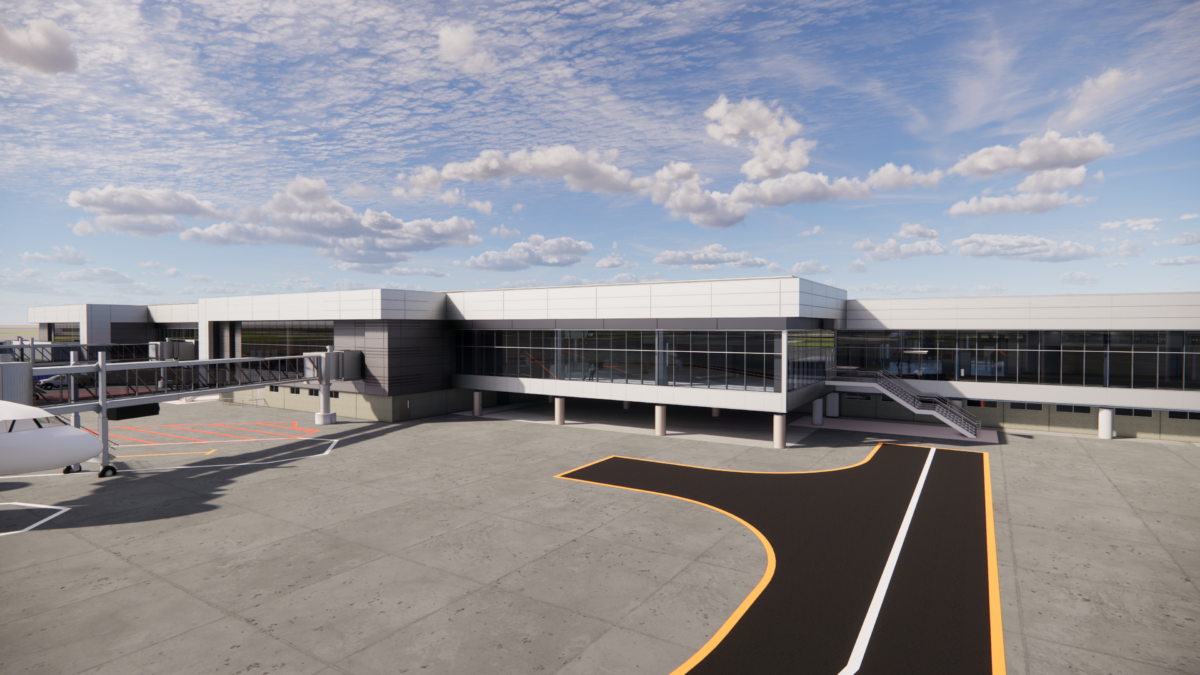
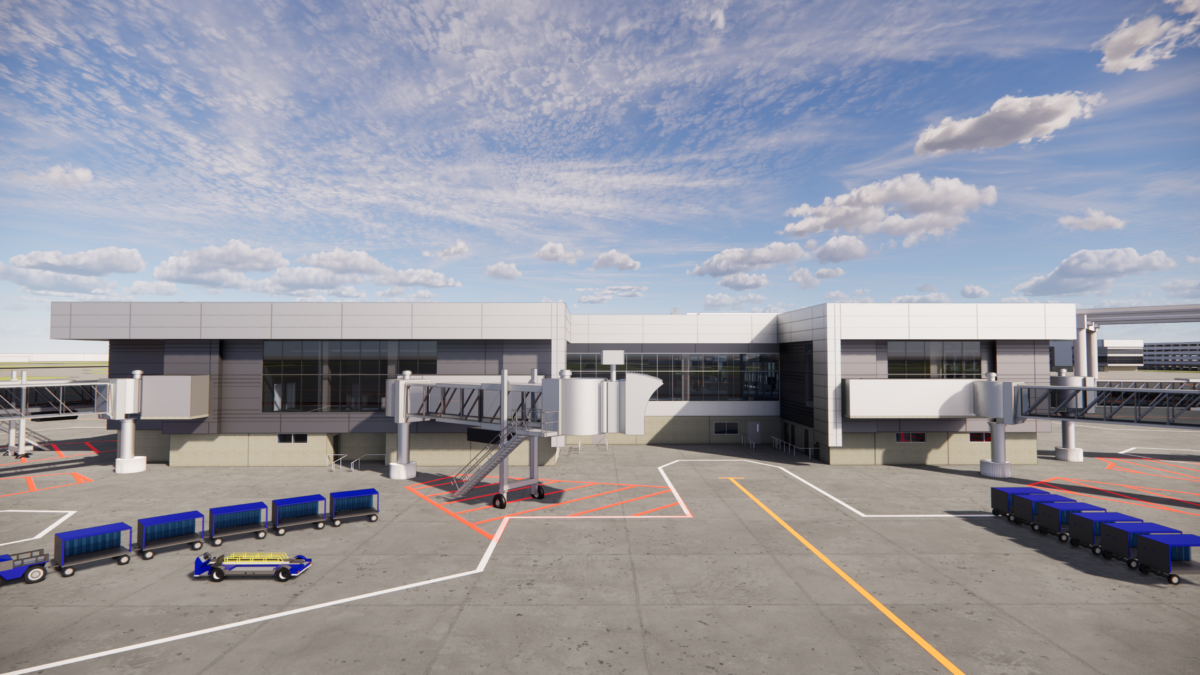
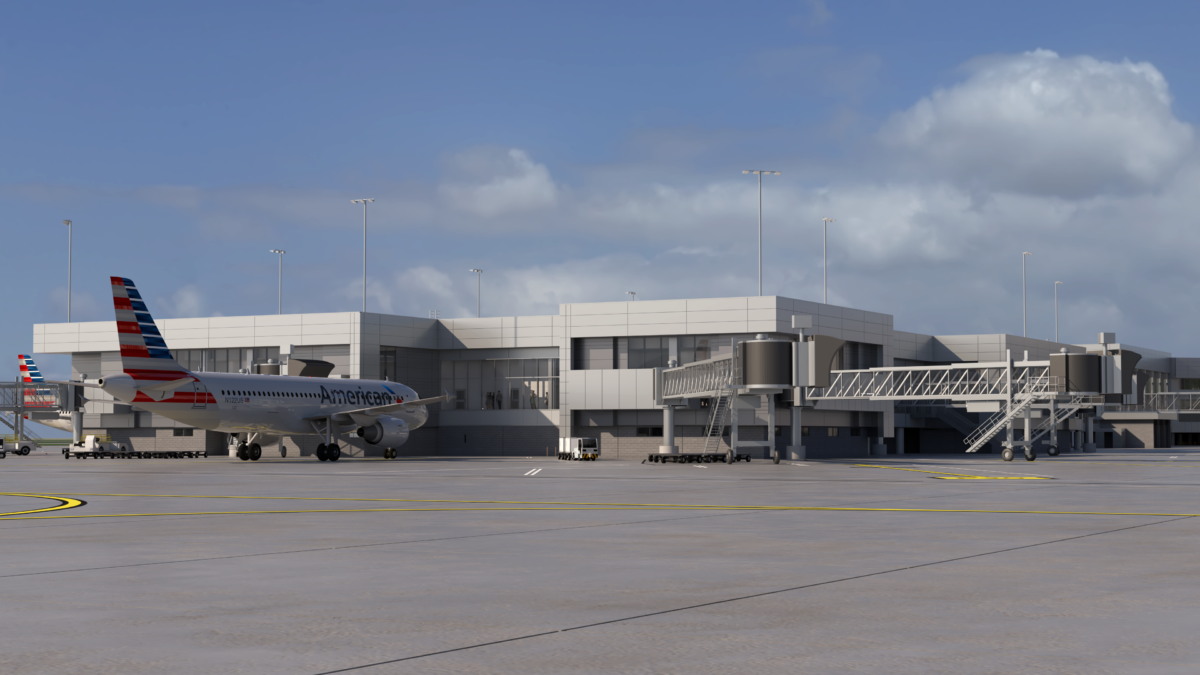
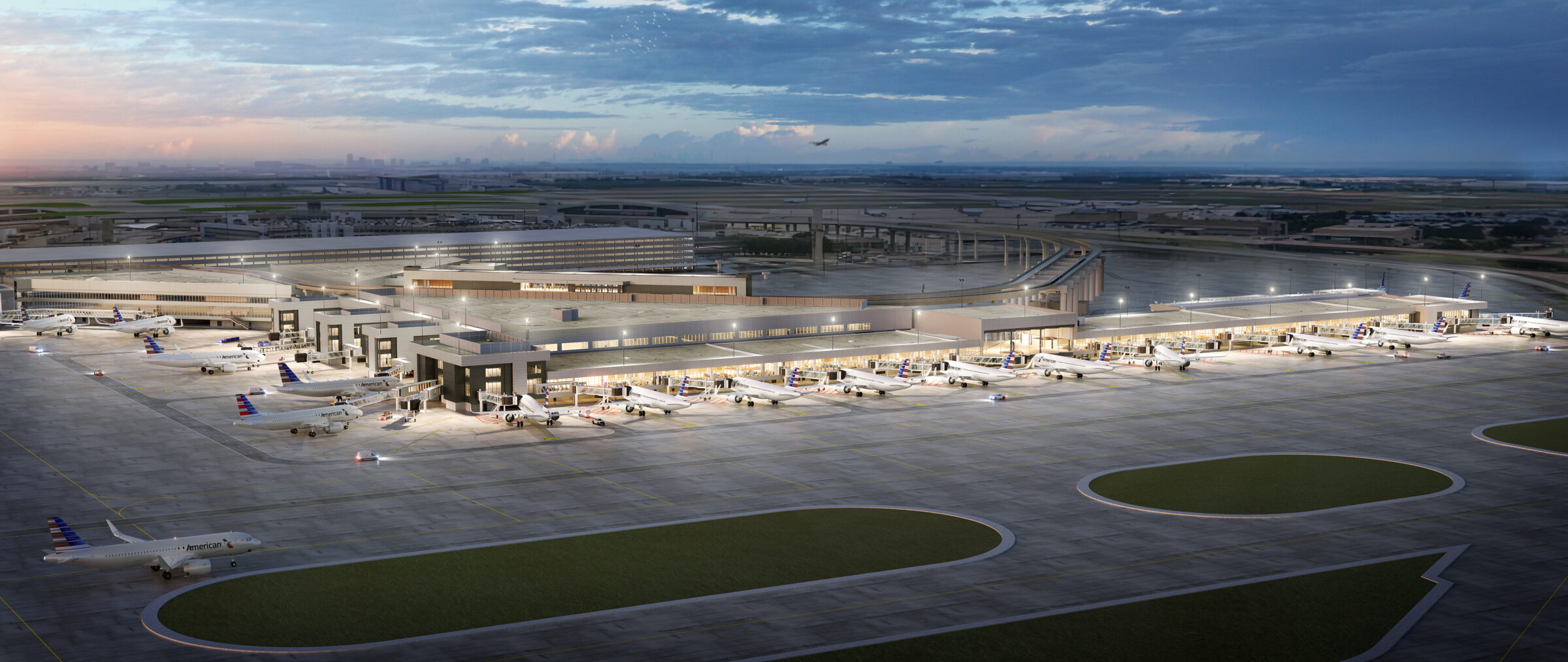
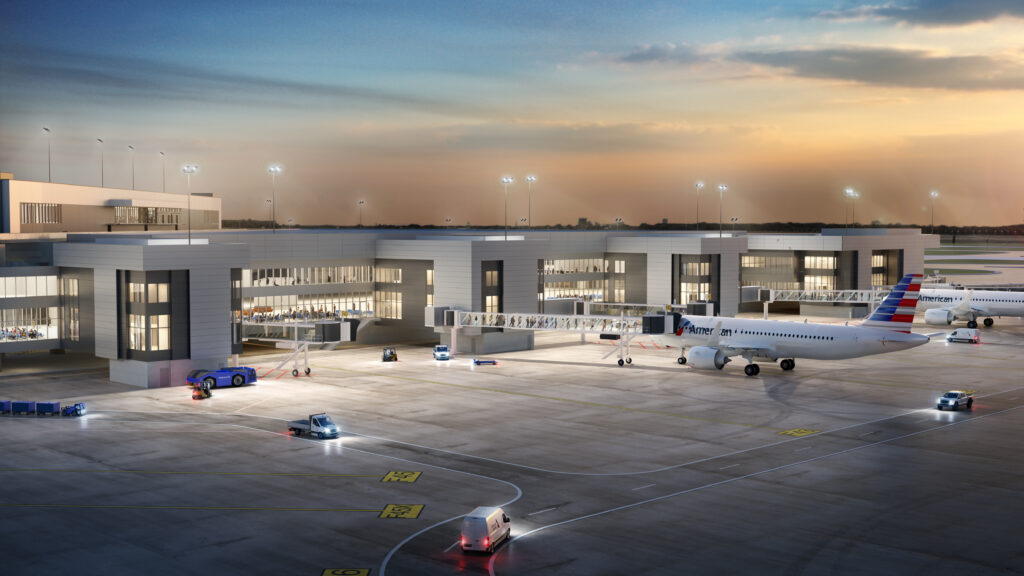
PGAL is partnering with the Innovation Next+ design-build team to deliver Terminal F at Dallas Fort Worth International Airport, expanding capacity while advancing a new model for terminal design and delivery through large-scale modular construction.
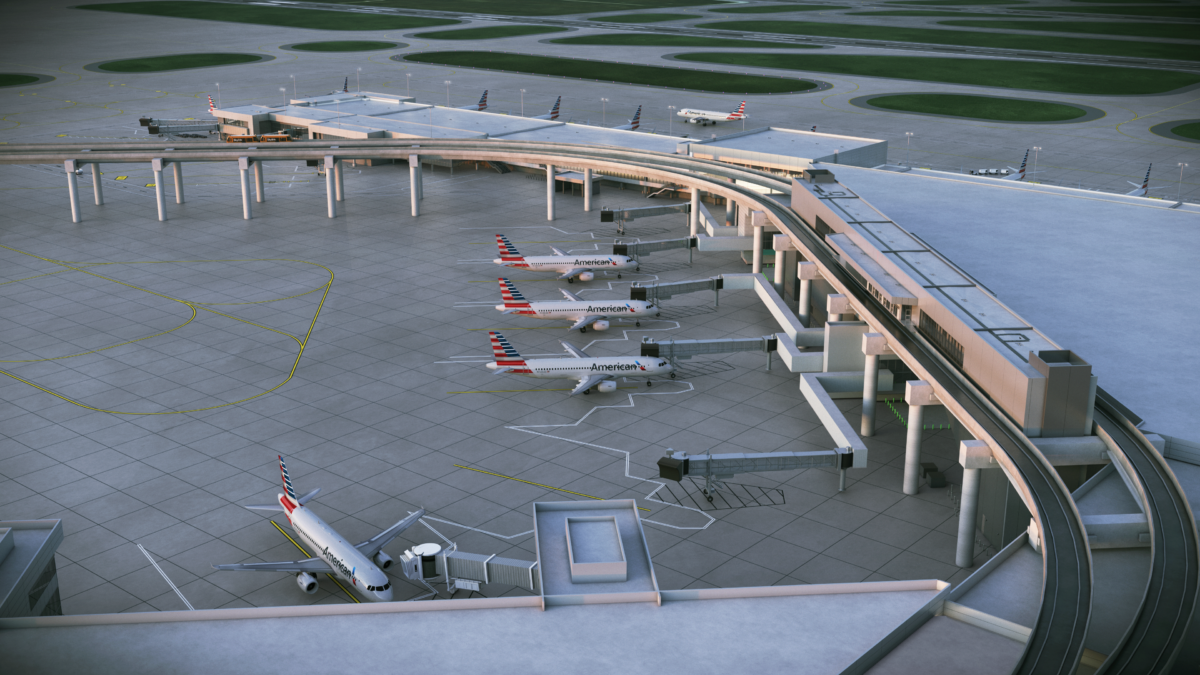
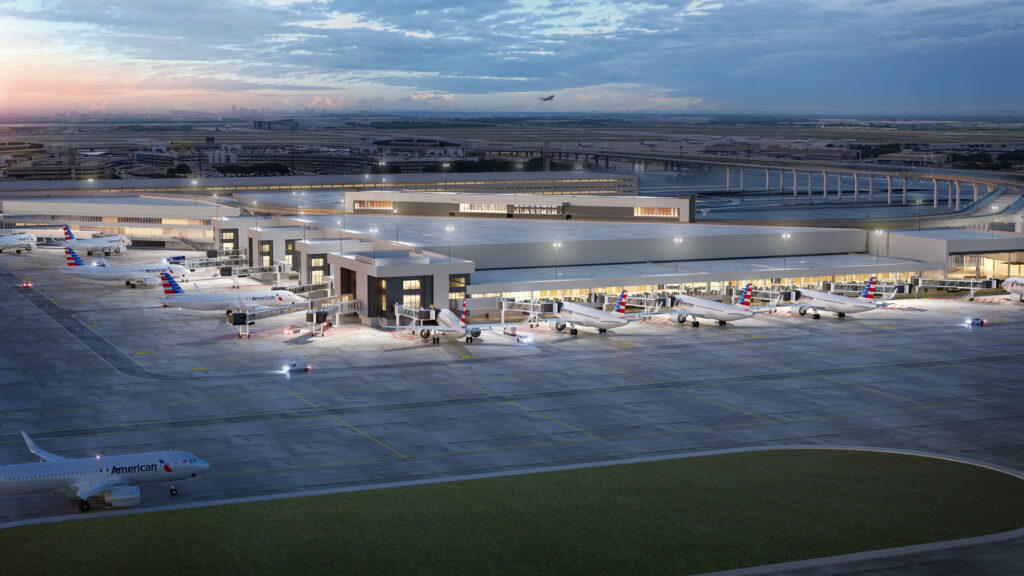
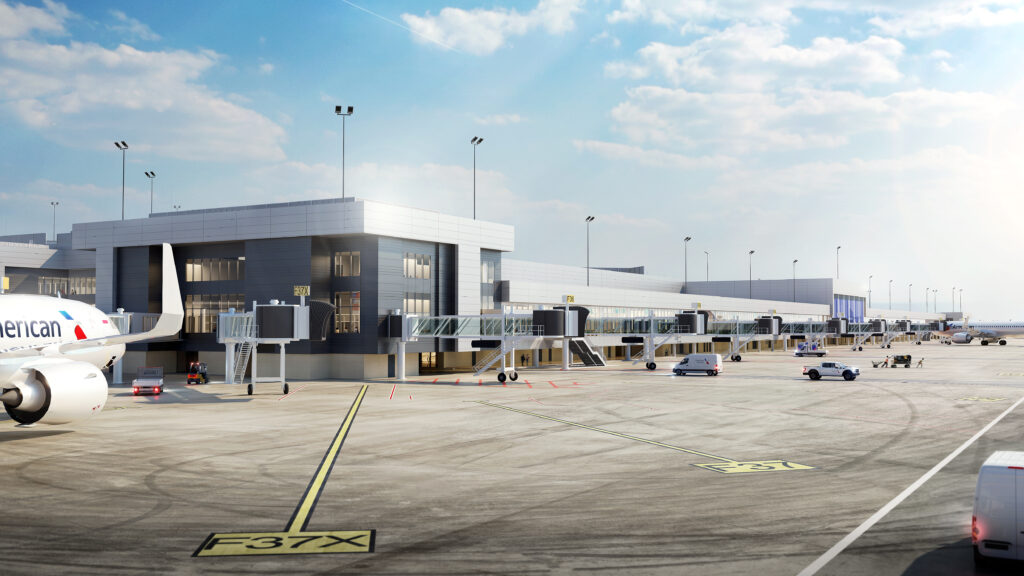
As one of the busiest airports in the world, DFW requires innovative solutions that support rapid growth, without disrupting ongoing operations. Terminal F responds with a flexible, progressive design anchored by a double-loaded concourse with 15 gates in its initial phase, and a second phase of 16 gates, for a total of 31 gates. The phase one portion of the terminal will be connected via Skylink to the other terminals for ticketing, check-in, security screening and baggage handling. A future garage processor will connect to the second phase for full services. The second phase will also connect directly to Terminal D to improve circulation, reduce transfer times, and enhance the overall passenger experience.
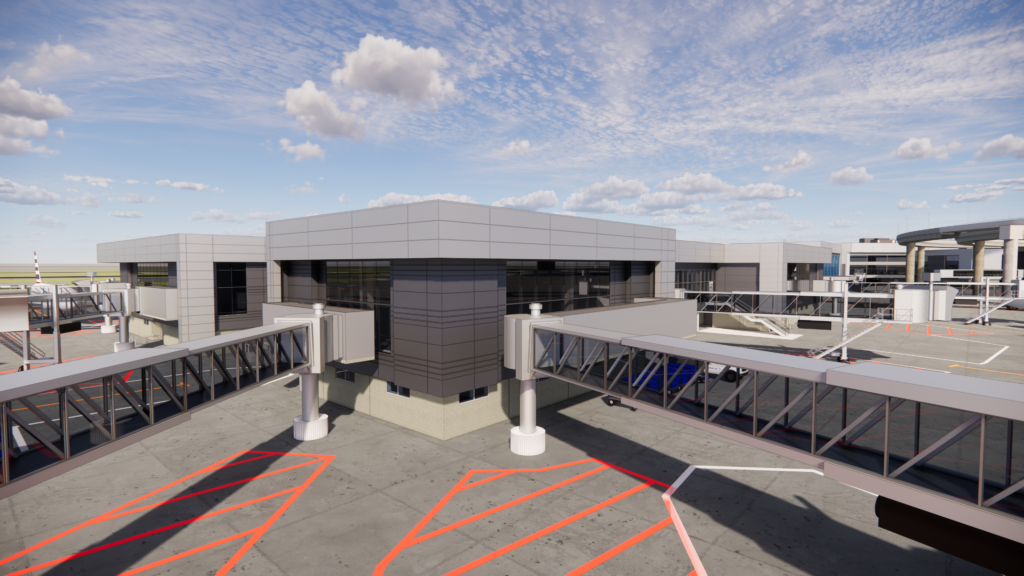
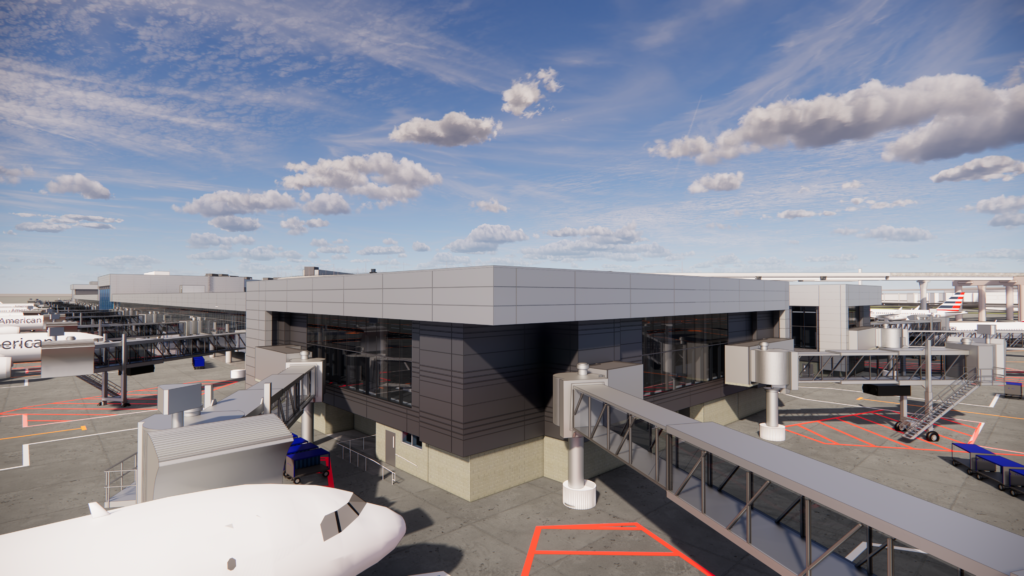
A defining element of the project is its use of prefabrication at an unprecedented scale for an airport terminal. PGAL worked collaboratively with design and construction partners to develop a modular strategy that shifts significant portions of construction offsite, allowing major building components to be fabricated concurrently with site preparation. Six large modules (roughly the size of a football field), each incorporating primary structure and key building systems, were transported at night across the airfield and set in place with precision. This approach minimizes impacts to airfield operations while improving quality control, enhancing worker safety, and accelerating the overall construction schedule.
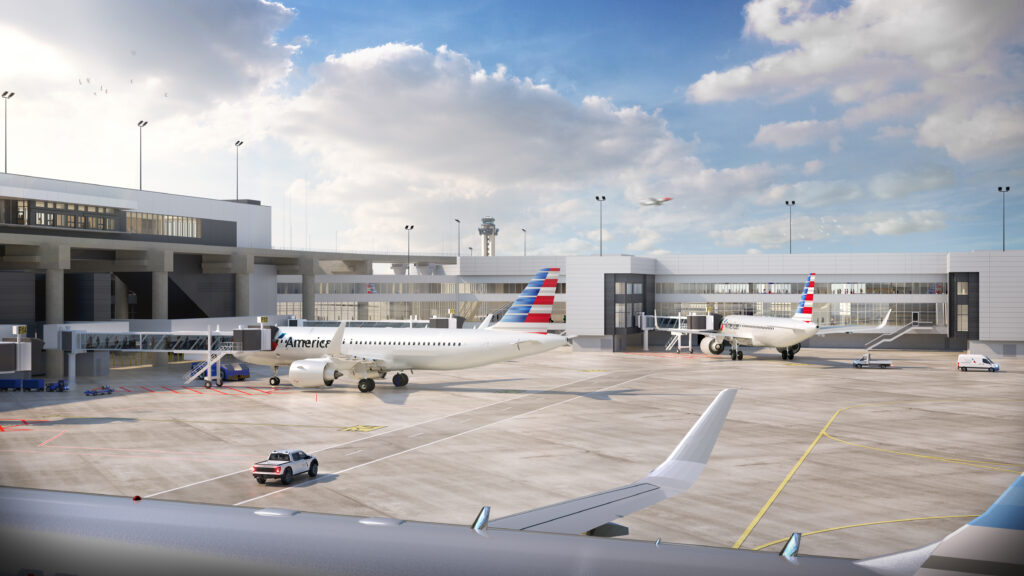
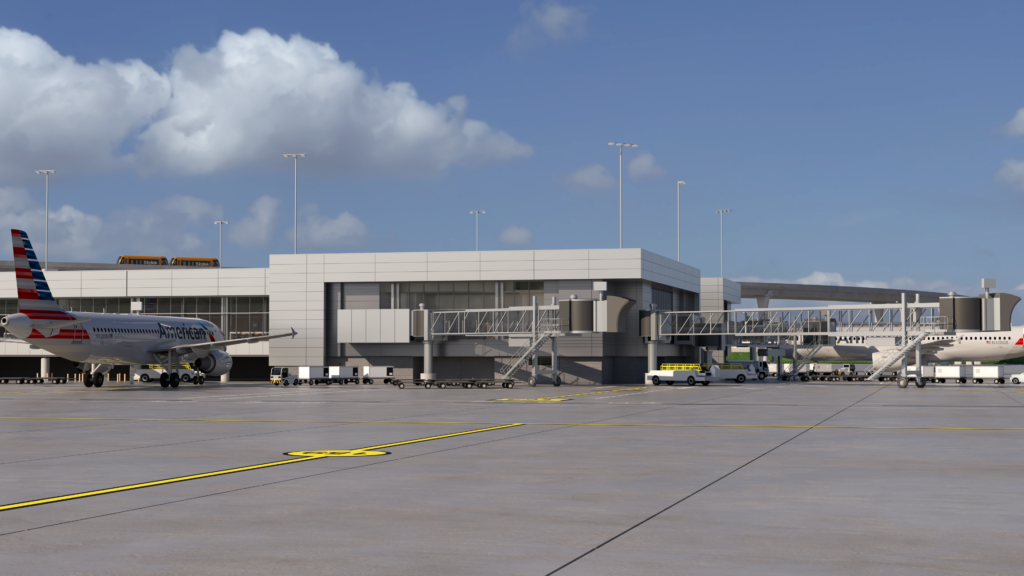
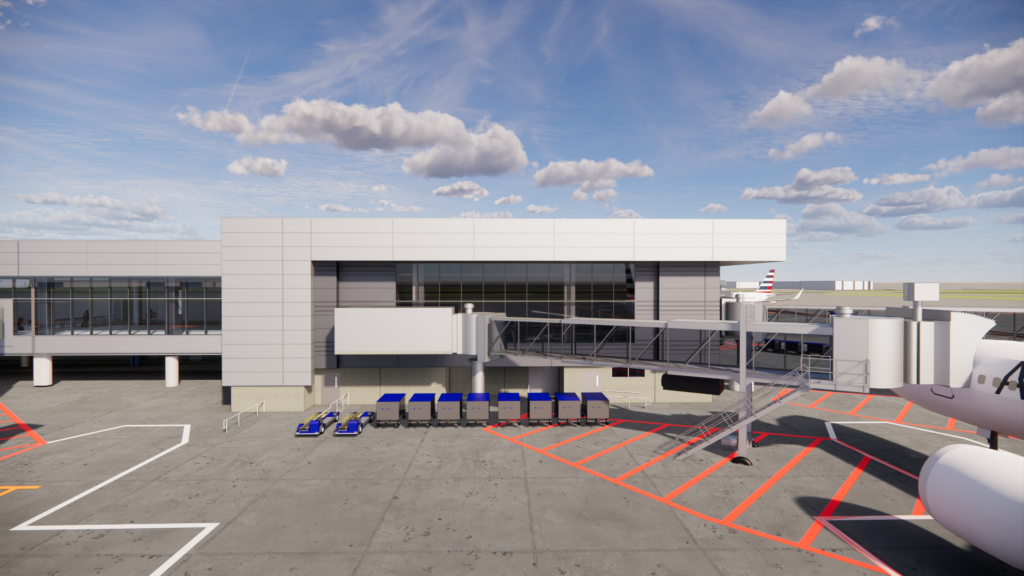
Beyond speed, the modular approach introduces a higher level of precision and consistency while supporting long-term flexibility. By integrating architecture, engineering, and construction early in the process, the team resolves complex coordination challenges before installation, reducing risk in a highly constrained environment. This level of integration positions PGAL at the forefront of applying modular design to complex aviation facilities, where speed, safety, and operational continuity are critical.
Terminal F not only increases passenger capacity and supports continued growth at DFW but also establishes a path forward for future terminal development. The project demonstrates how modular design and collaborative delivery can be applied to complex, high-traffic environments, offering a repeatable approach for airports seeking to expand efficiently while maintaining operations.
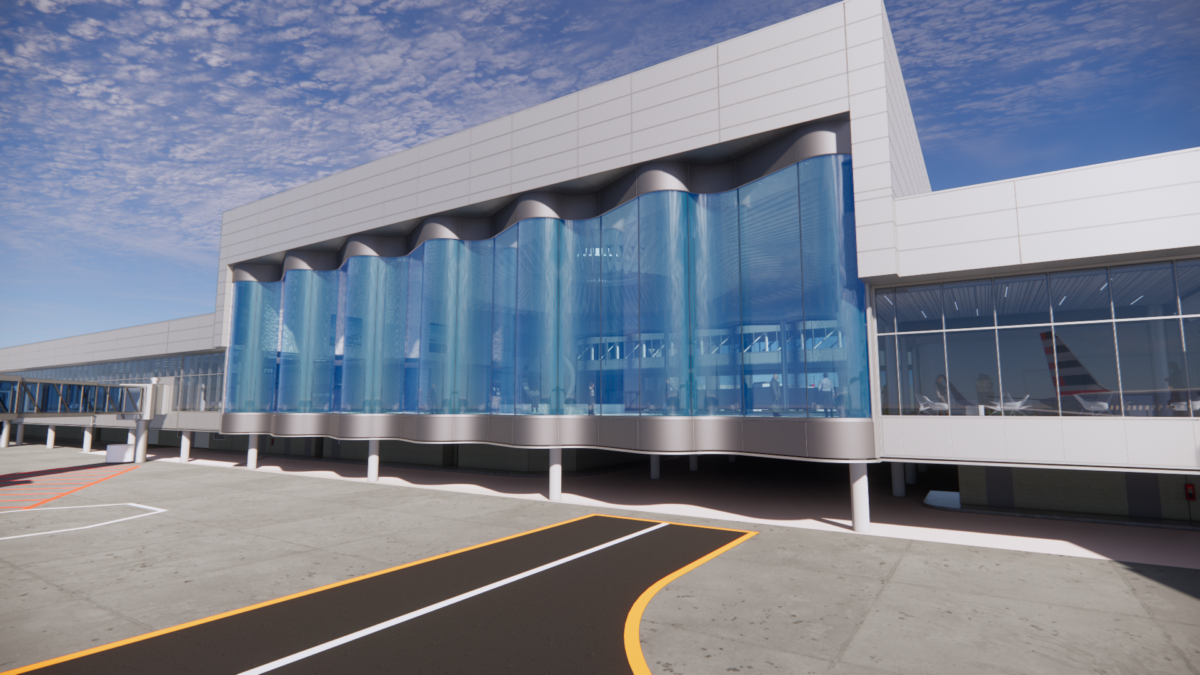
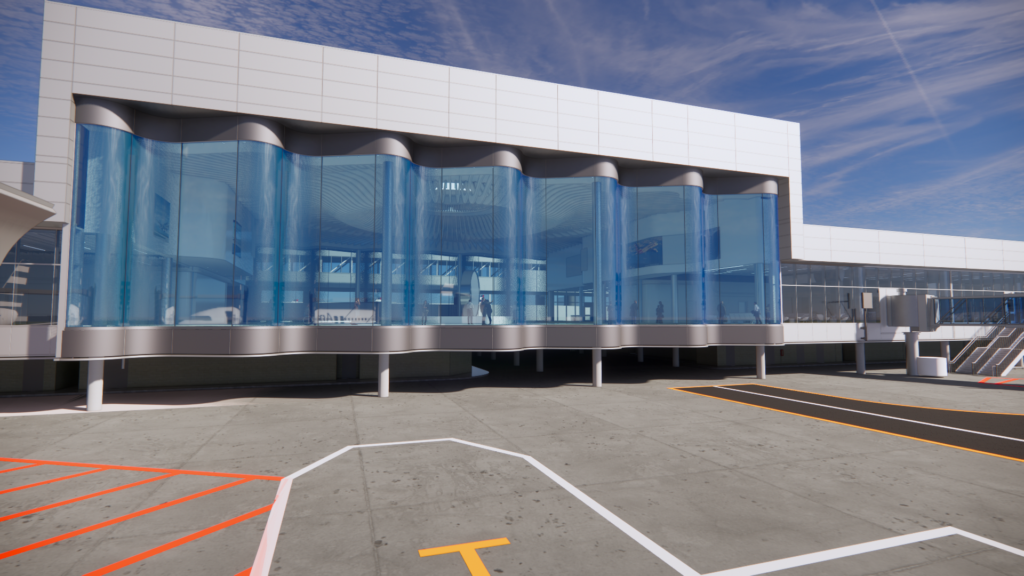
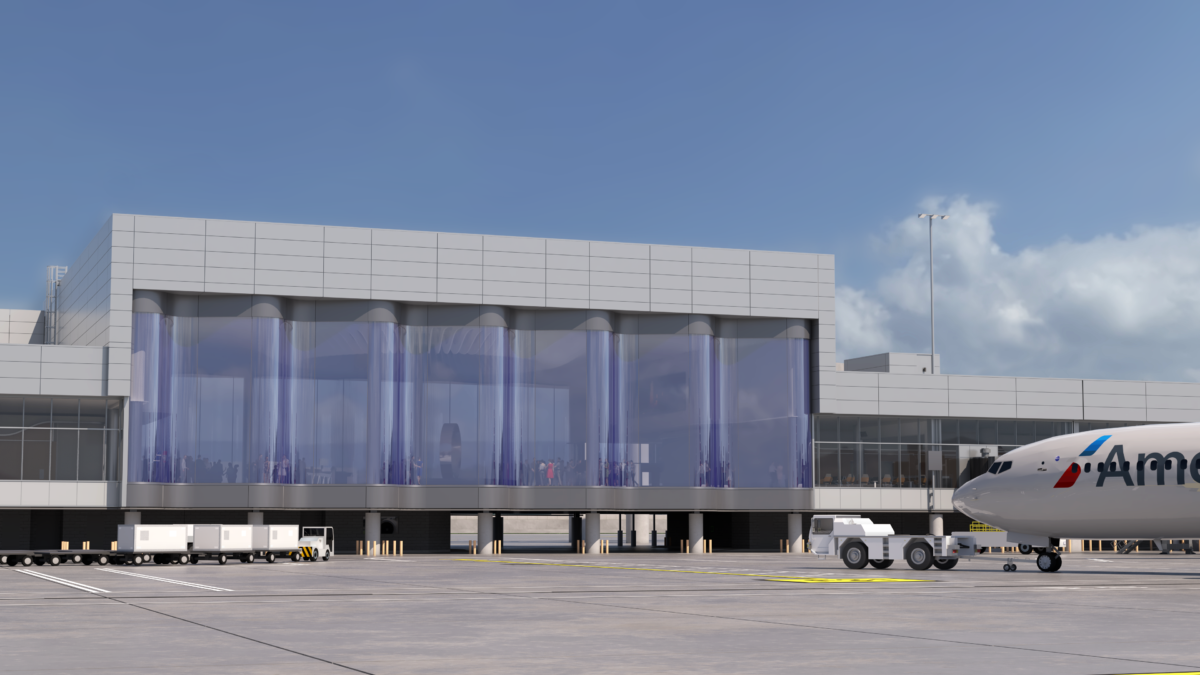
A signature feature of Terminal F is its Monumental Glass, a sculptural glazing system alongside of West and East Façade, composed of thirteen custom concave and convex curved glass panels integrated with straight glass panels to create a distinctive architectural identity and expansive airfield views.
The façade incorporates a custom frit pattern that transitions from 0% opacity at the intersections of the curved and straight glass panels to 50% density at the center of the curved bays. This carefully calibrated gradient reduces glare and solar exposure while maintaining transparency, creating comfortable passenger seating and waiting areas along the terminal frontage.
Integrated Dynamic Glazing further enhances performance by automatically adjusting tint levels in response to changing daylight conditions, reducing glare and heat gain while preserving views to the airfield. Close collaboration between the architectural, structural, and façade design teams enabled the realization of the complex glass geometry while maintaining a seamless and transparent appearance.