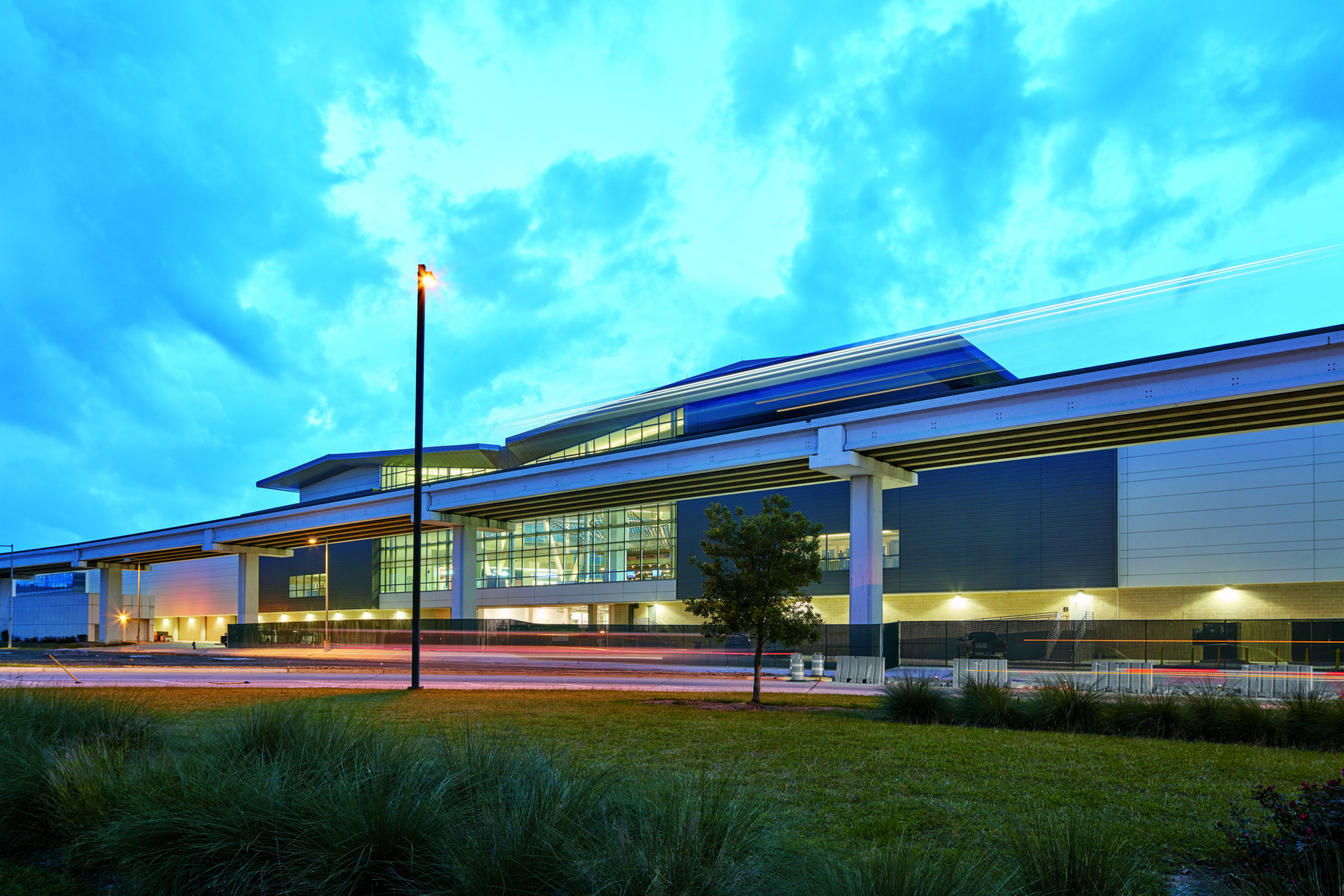
Aviation – Terminals
At PGAL, we specialize in designing airport terminals that elevate the travelers’ experience while meeting the operational demands of today’s aviation landscape. Our team of aviation specialists understands the complex challenges airports and airlines face, from enhancing customer service and improving flow, to navigating evolving security protocols and accommodating future growth.
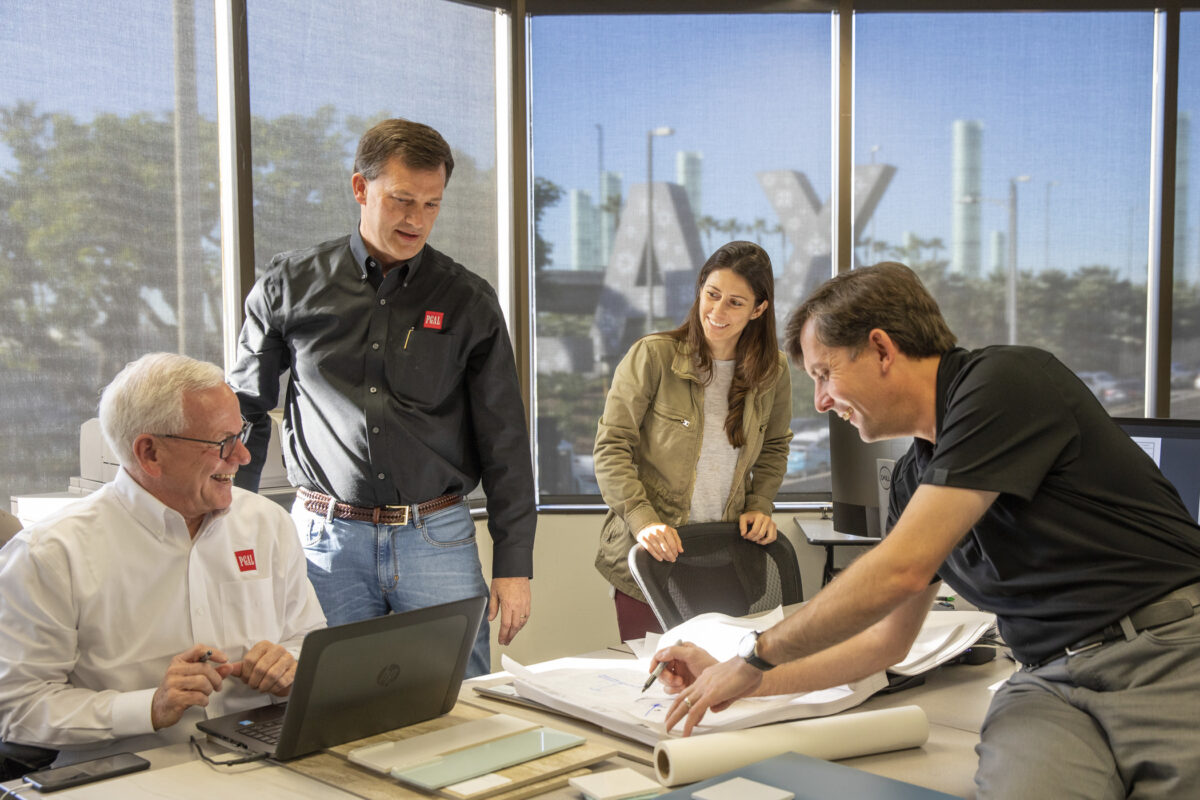
With more than 25 million square feet of terminal space designed across 60+ airports worldwide, PGAL brings deep experience in both ground-up and renovation projects. We collaborate closely with aviation clients to implement solutions that are not only compelling and highly functional, but fiscally responsible and operationally sound.
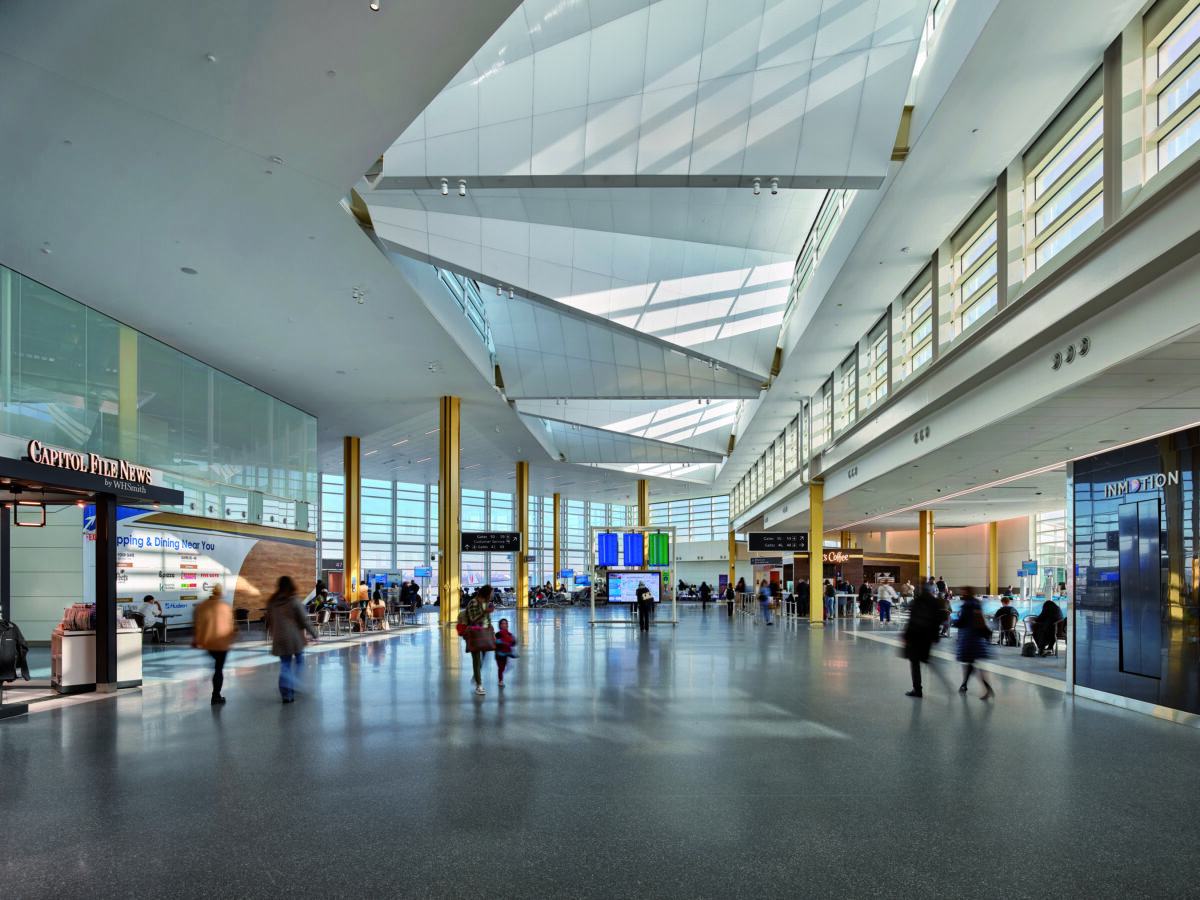
Airport design is increasingly focused on flexibility, passenger experience, and operational efficiency, driven by rising traveler expectations, sustainability goals, and rapid advances in digital technology. At PGAL, our expert designers approach each project with a focus on creating adaptable, human-centered environments that respond to evolving airline operations while enhancing comfort, wayfinding, and revenue opportunities.
Flexible, modular layouts allow airports to accommodate fluctuating passenger volumes and evolving airline needs over time. These strategies support long-term adaptability, minimize disruption in active environments, and help protect initial investments.
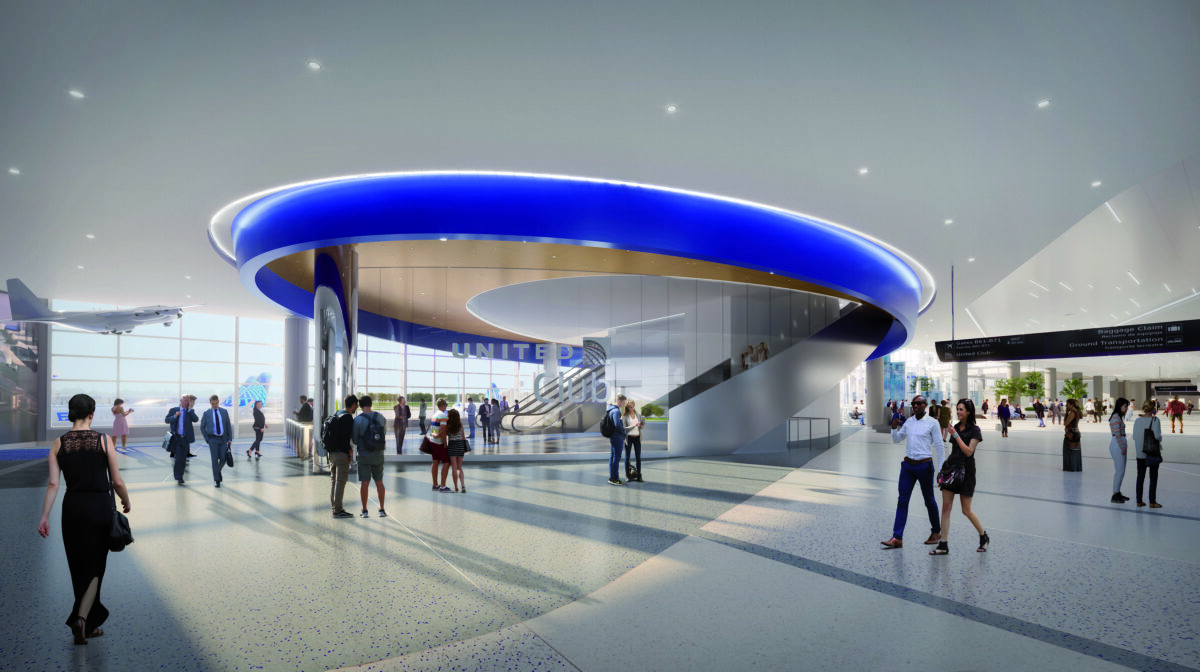
Technology integration and sustainability are embedded in PGAL’s design approach. Touchless, biometric, and data-driven systems improve throughput and safety, while high-performance building envelopes and renewable energy strategies reduce lifecycle costs and support long-term return on investment. Throughout the process, our teams carefully balance capital and operating costs to align performance goals with project budgets.
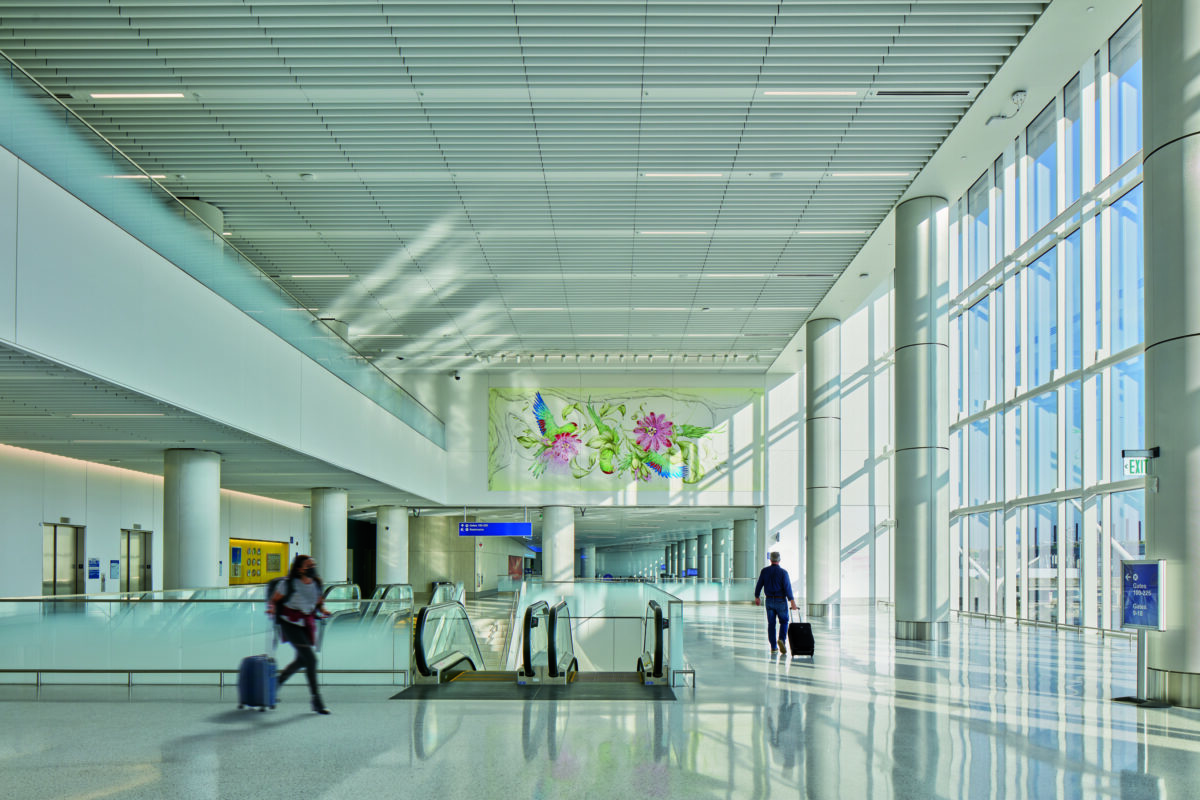
From major hubs to regional terminals, PGAL’s aviation experts deliver resilient, scalable designs that reflect the unique identity of each community while improving throughput, sustainability, and long-term performance.
Featured Projects
Terminal A Redevelopment at Newark Liberty International Airport (EWR)
Terminal 4/5 Modernization Program at Los Angeles International Airport (LAX)
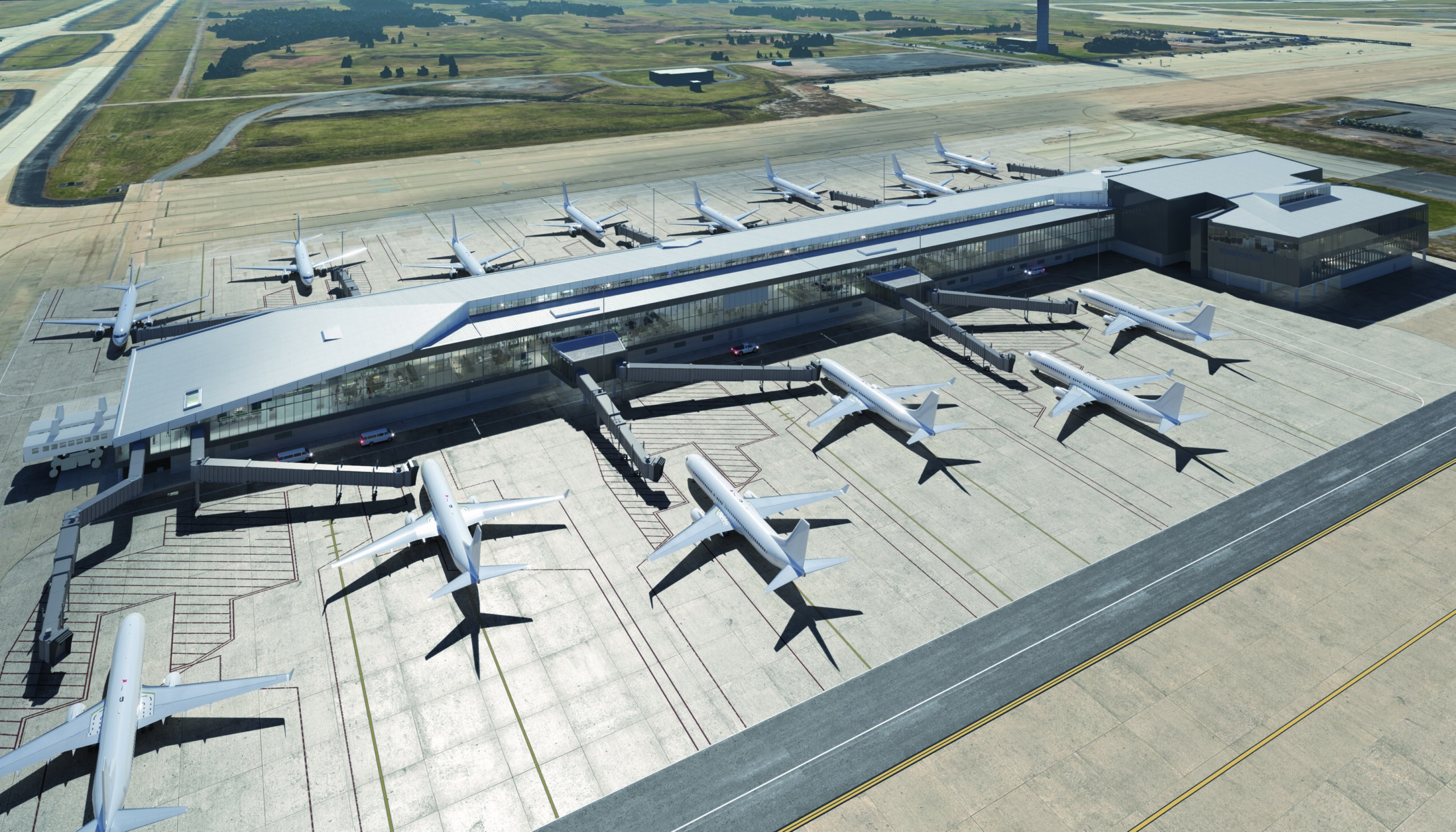
Tier-2 Concourse (East) at Washington Dulles International Airport (IAD)
Terminal 1.5 Development Program at Los Angeles International Airport (LAX)
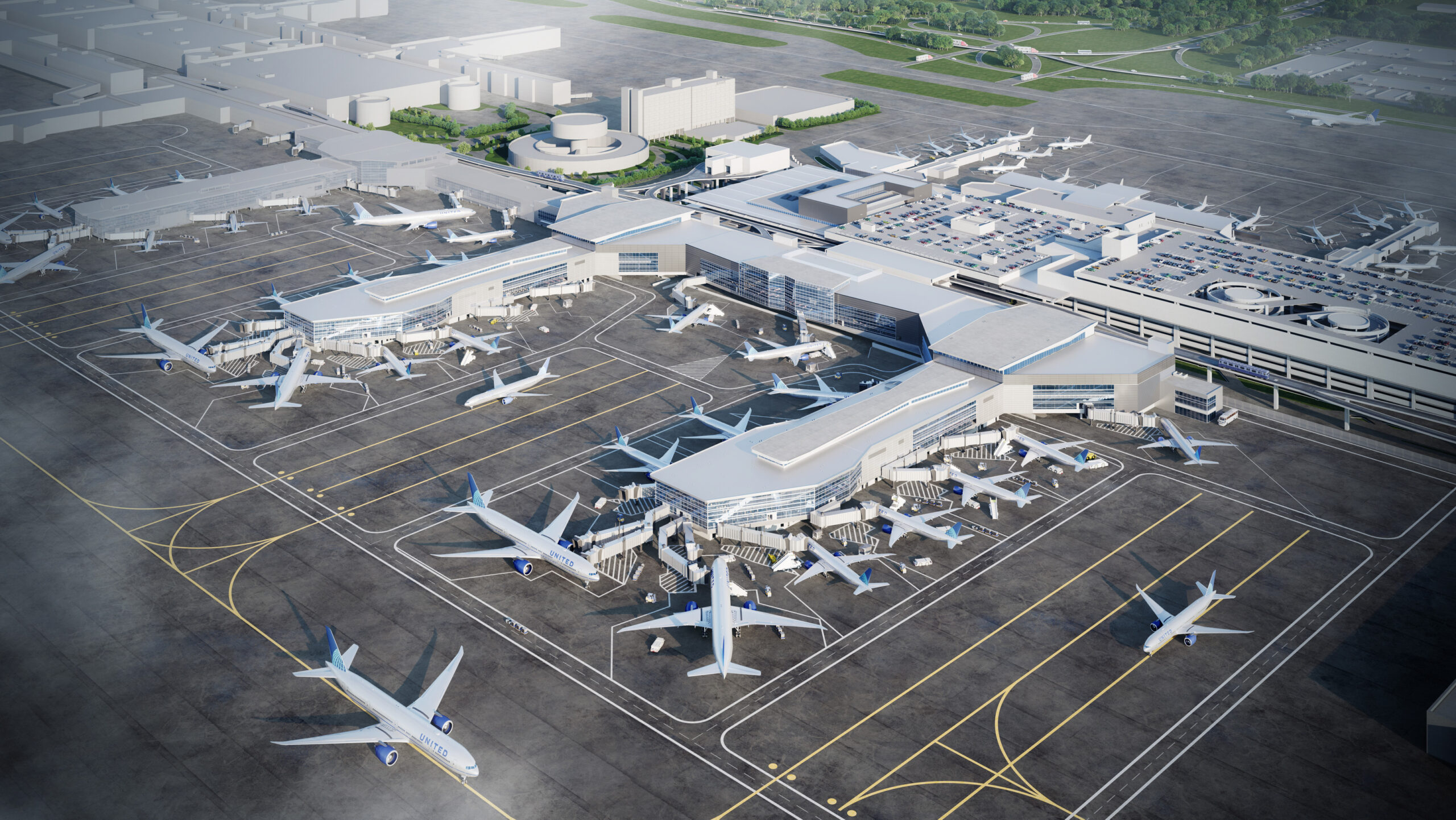
United Airlines Terminal B Transformation Program at George Bush Intercontinental Airport (IAH)
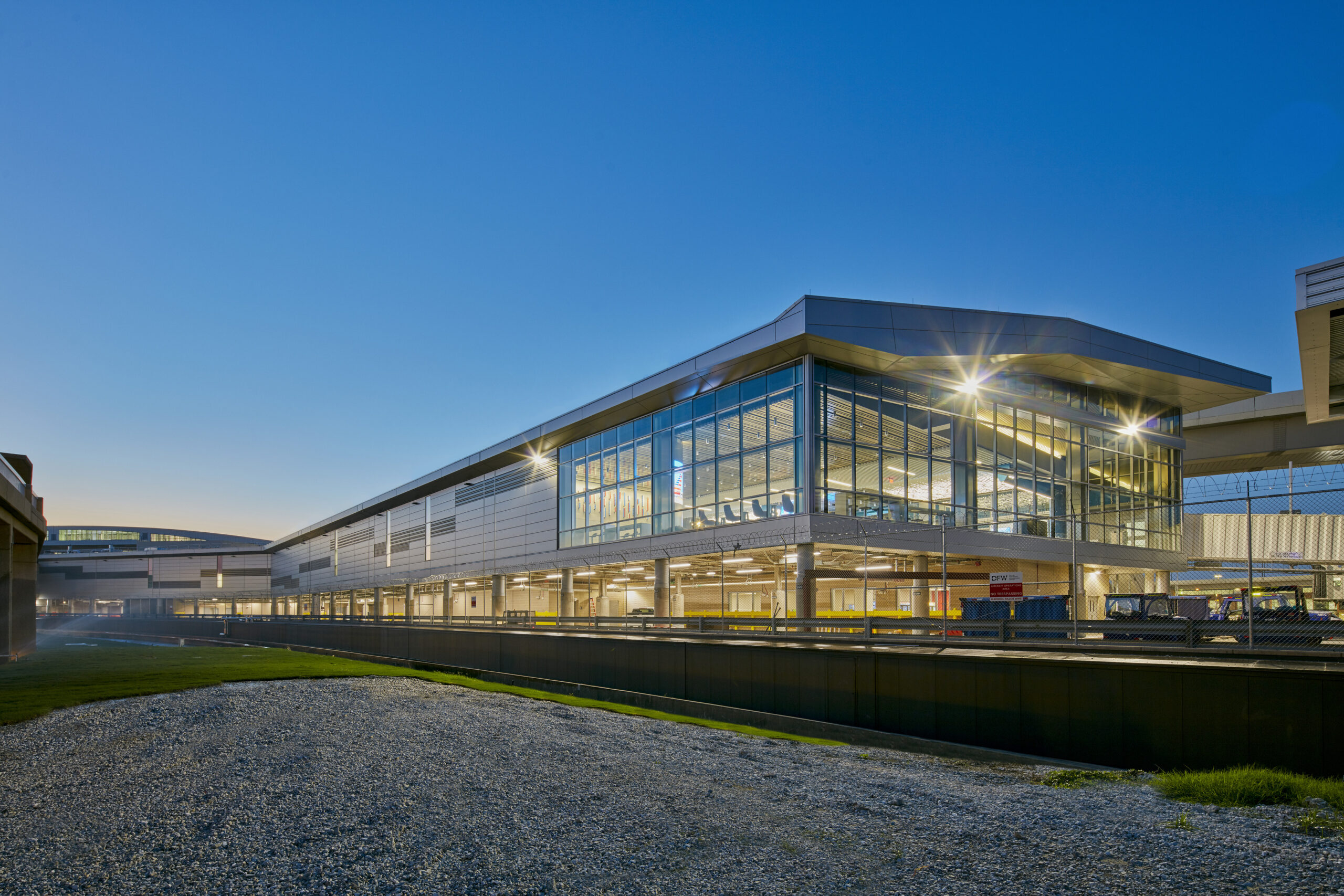
Terminal C – High C Gates Demolition + Rebuild at Dallas-Fort Worth International Airport (DFW)
Concourse E at Ronald Reagan Washington National Airport (DCA)
Terminal 3 and Related Facilities at Harry Reid International Airport (LAS)
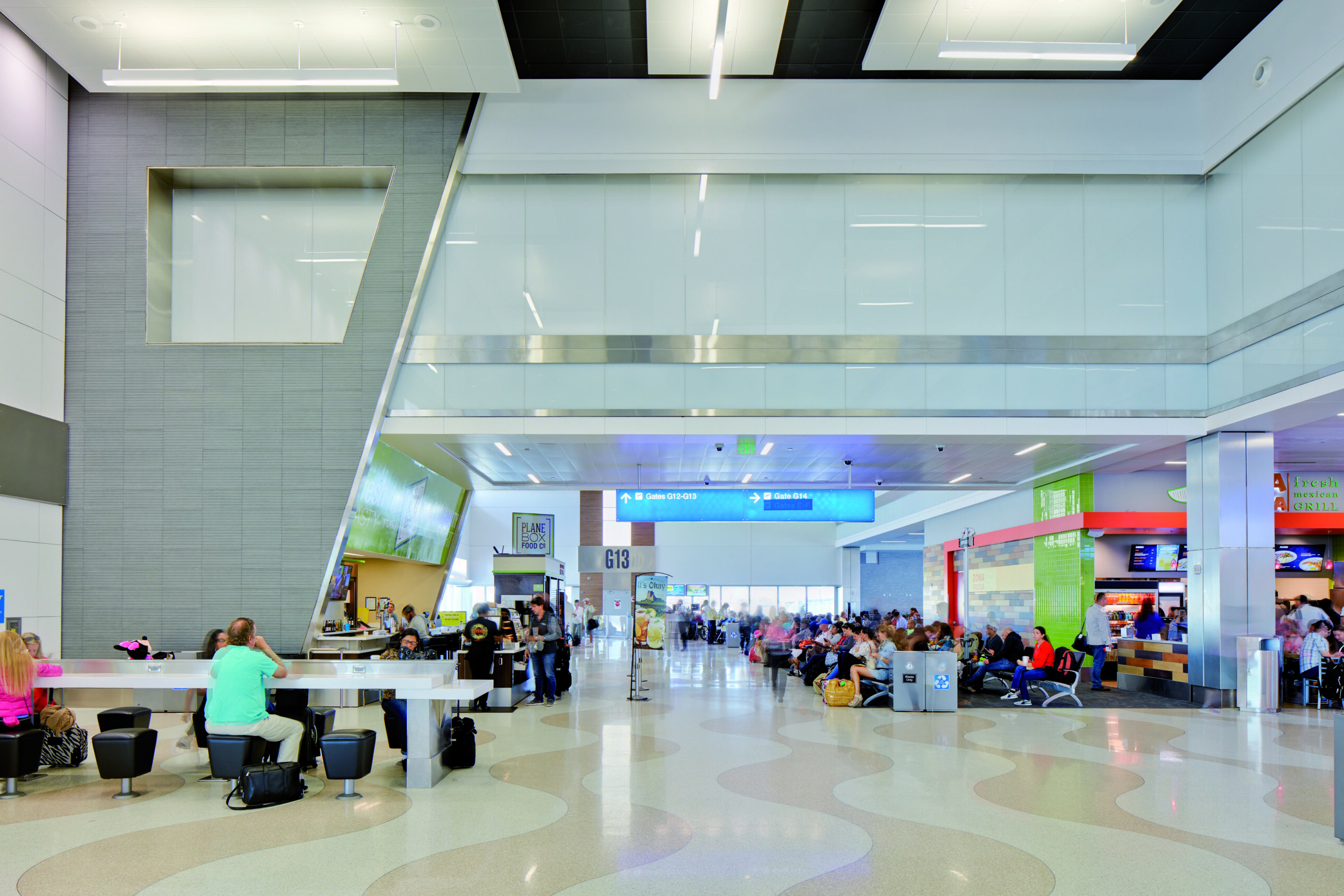
Terminal 4 Redevelopment at Fort Lauderdale-Hollywood International Airport (FLL)