News
PGAL-Designed Terminal B North Concourse Opens at Houston’s George Bush Intercontinental Airport
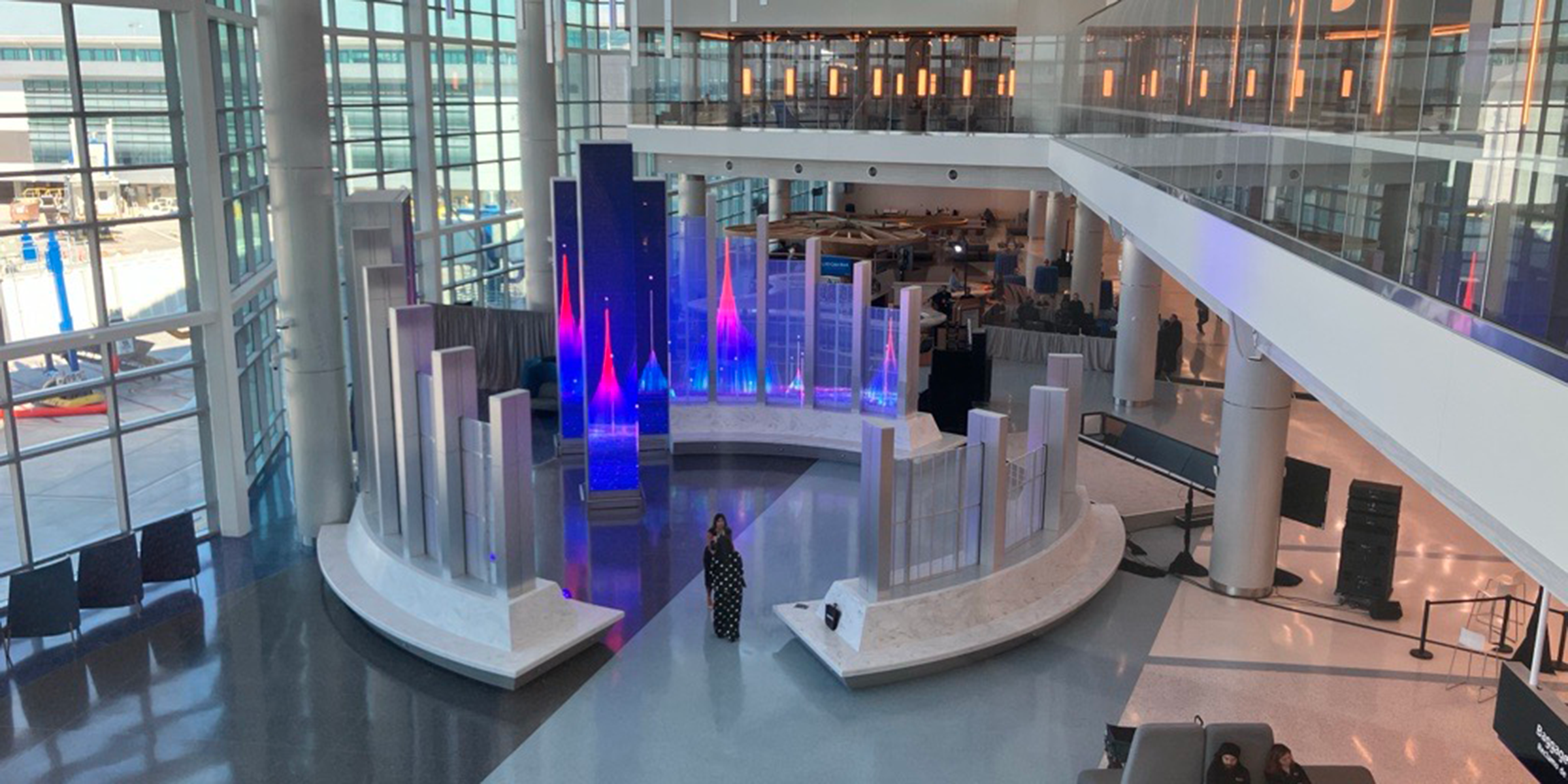
A major transformation is taking flight at Houston’s George Bush Intercontinental Airport (IAH) as United Airlines officially opens its new Terminal B North Concourse on October 22, 2026. Designed by PGAL, the 765,000-square-foot facility introduces 22 new gates, an impressive lineup of Houston-inspired amenities, and the largest airline club in the Americas, marking a significant milestone in the airport’s continued growth.
The three-level concourse features two piers and is the centerpiece of United Airlines’ $2.6 billion Terminal B Transformation Program, replacing aging facilities dating back to 1969 with a modern, welcoming environment built to accommodate millions of travelers each year. As the lead design firm for Terminal B North, PGAL provided architectural services, interior design, civil engineering, master planning, and programming to help bring United’s vision for the future of its Houston hub to life.
The new concourse was officially unveiled on October 21, with United Airlines and Houston Airport System leadership gathering to celebrate the milestone ahead of its public opening.
“Having an open, beautiful terminal like this that’s welcoming, that’s not as crowded, that has natural light, just really changes the experience,” United Airlines CEO Scott Kirby told the Houston Chronicle.
That emphasis on the passenger experience is evident throughout the facility. Soaring ceilings, expansive windows, and comfortable gathering spaces create an open, inviting atmosphere, while thoughtful amenities make traveling easier for passengers of all ages and abilities. Families can enjoy a dedicated children’s play area, and a sensory room provides a calming retreat for travelers who may need a break from the busy airport environment.
The concourse also celebrates Houston’s personality through a $16.8 million public art program, the largest investment of its kind at IAH. Ten major installations draw inspiration from the city’s bayous, cultural diversity, history, and innovation. More than 105,000 square feet of dining and retail space will bring familiar Houston favorites to travelers, including B&B Butchers & Restaurant, Blood Bros. BBQ, Rosie Cannonball, Pizaro’s Pizza, Katz Coffee, and Blue Bell Creameries.
Among the project’s most anticipated features is the new 54,000-square-foot United Club, now the largest airline club in North and South America. Located on the concourse’s mezzanine level, the lounge accommodates up to 800 guests and features panoramic airfield views, two full-service bars, dining areas, private workspaces, and a 1,350-square-foot outdoor terrace.
Beyond its impressive amenities, Terminal B North represents a major investment in the future of air travel through Houston. The 22 new gates accommodate larger aircraft and provide climate-controlled jet bridge boarding, while expanded seating areas and modern infrastructure support United’s growing network. The concourse is designed to serve as many as 36 million passengers annually and is pursuing LEED Gold certification.
The opening also marks an important step in the broader transformation of Terminal B. Additional improvements to the South Concourse, baggage handling systems, ticketing areas, and roadway access are underway, further enhancing the airport’s capacity and overall passenger experience.
As Houston Airport System Aviation Director Jim Szczesniak shared during the unveiling, “But that fight in the air can be won on the ground with the facilities that we built here today.”
For PGAL, the opening represents another exciting chapter in the firm’s longstanding relationship with United Airlines and George Bush Intercontinental Airport. Having worked on the airport’s original Terminals A and B in 1969, PGAL’s involvement in this latest transformation brings that history full circle. More than five decades later, the firm continues to help shape the future of air travel in Houston, creating spaces that respond to the evolving needs of passengers and the aviation industry.
Read more about the project here.