Projects
SH 105 6-Lane Reconstruction
Conroe, TX
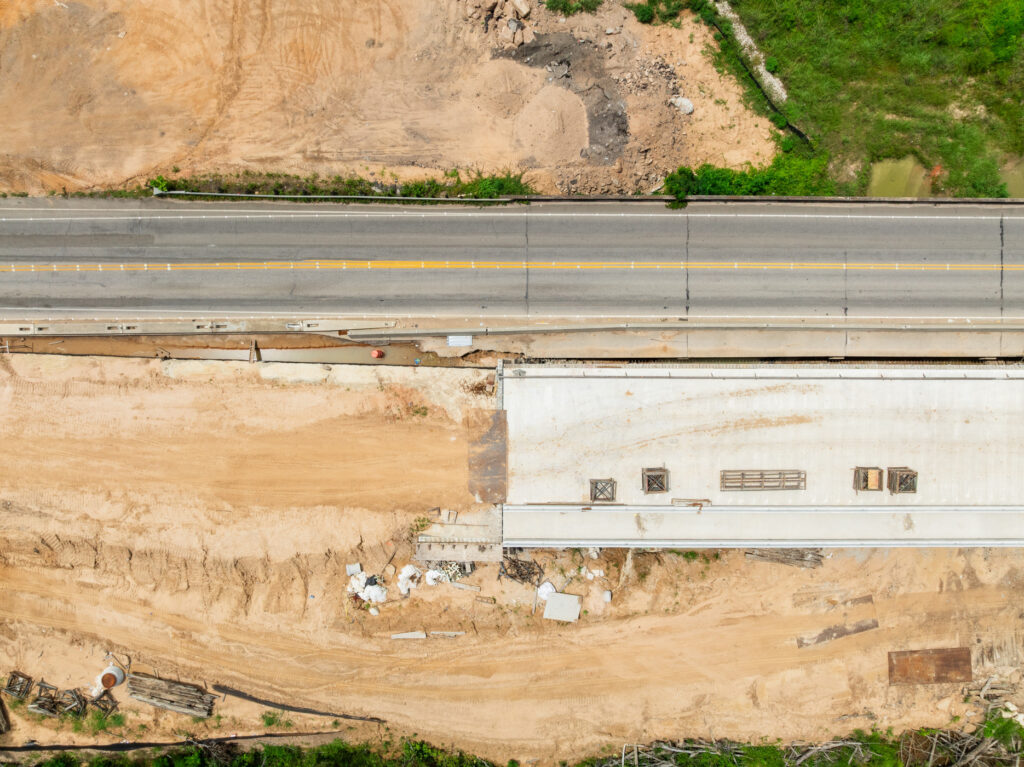
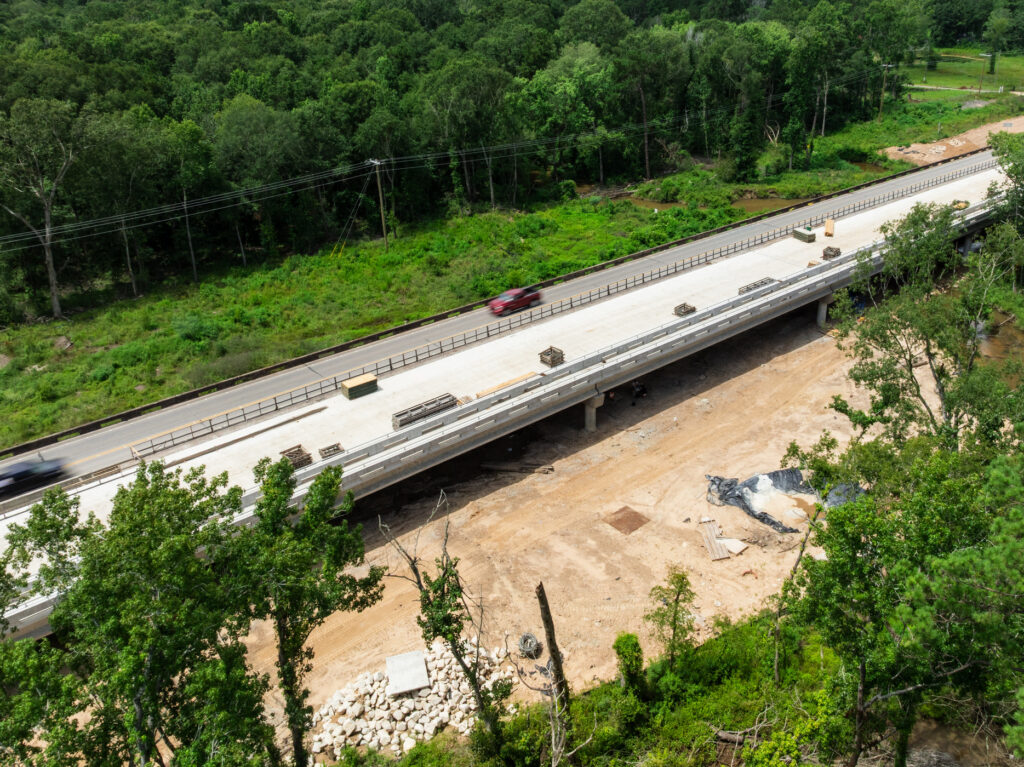
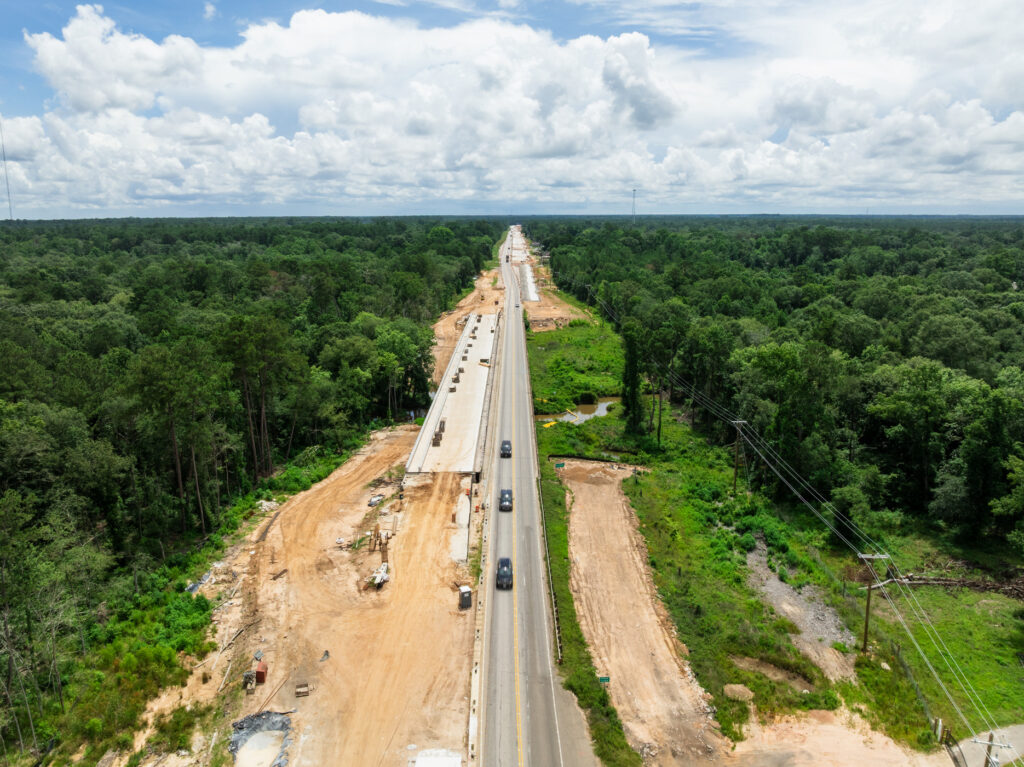
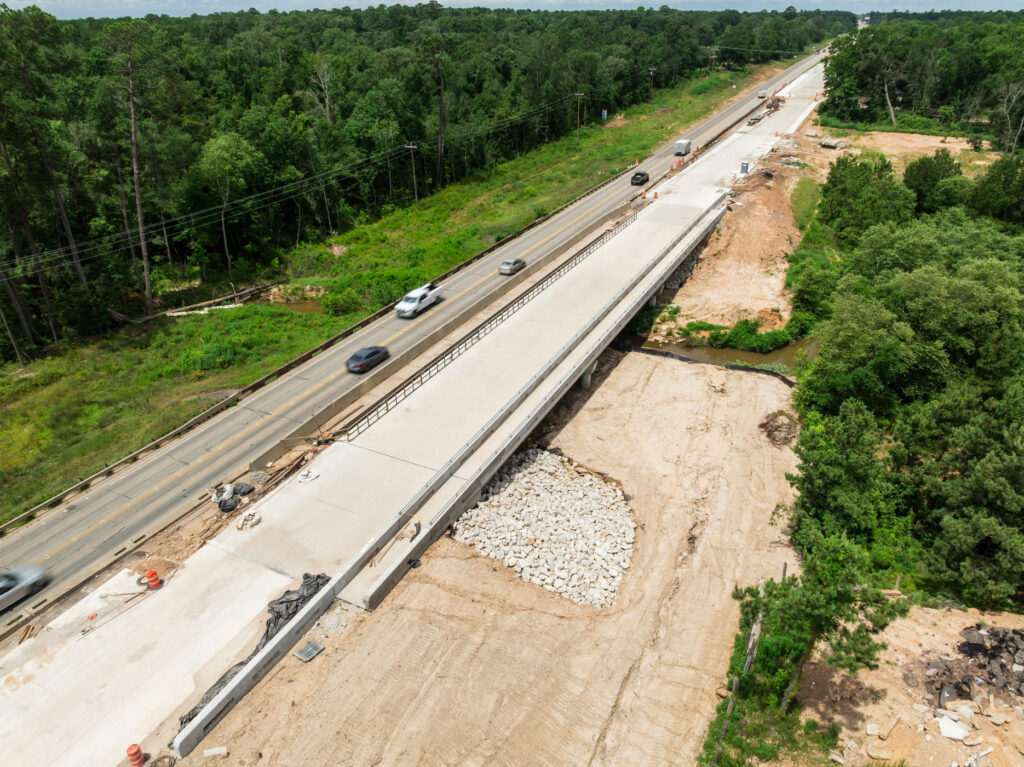
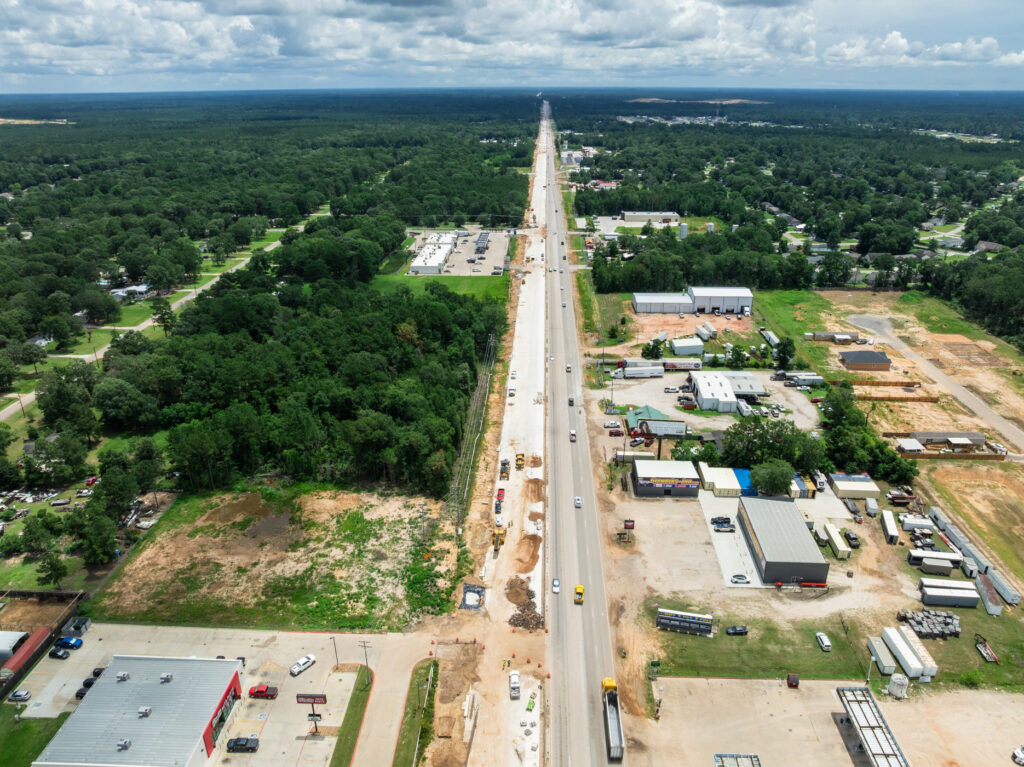
PGAL was the prime consultant for this large $110M, 7-mile reconstruction and widening project along SH 105 from FM 1484 to the San Jacinto County Line on the eastern side of Conroe, TX.
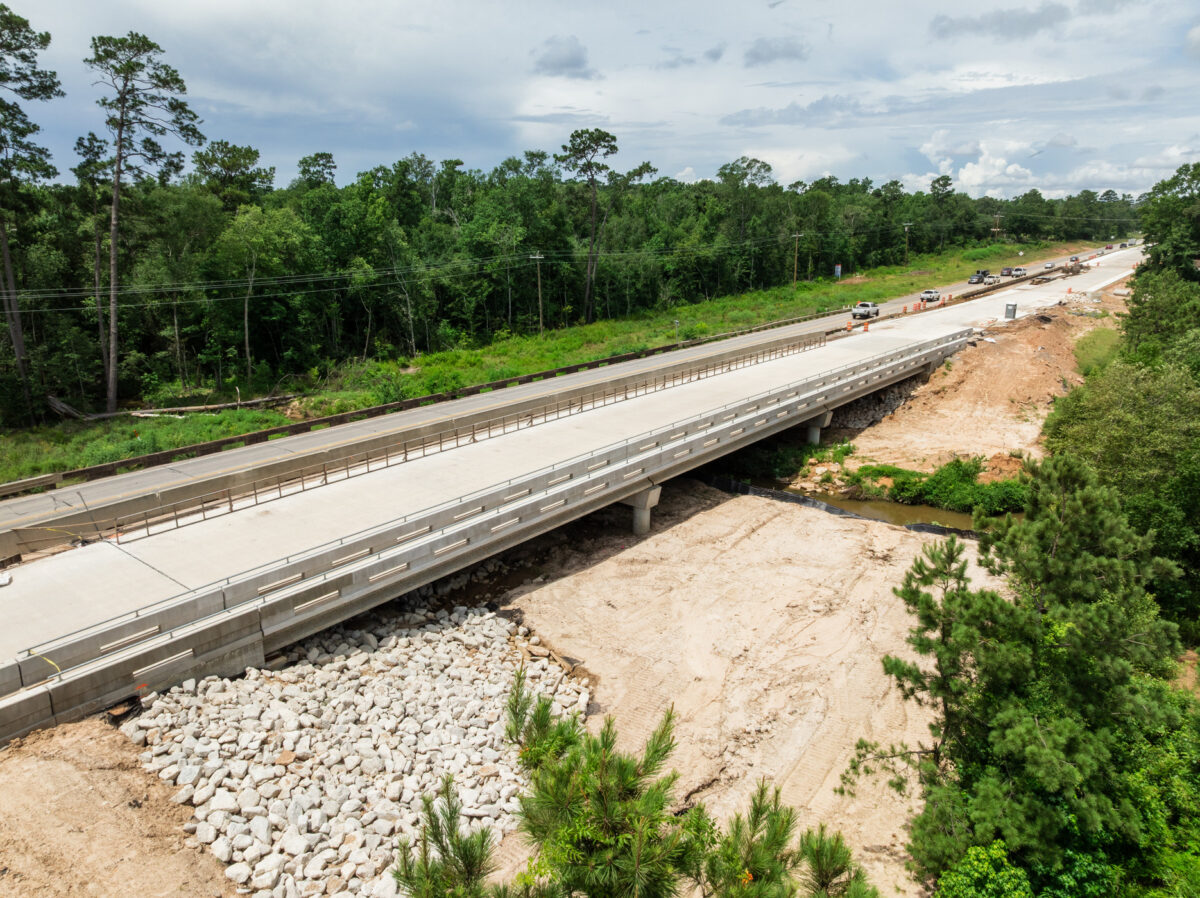
The curbed pavement section was 94-feet wide for the proposed 4-lane facility with a continuous left-turn lane, and was designed to accommodate the ultimate 6-lane configuration. The project scope included 3 bridges, 52 storm sewer systems, 17 cross culverts, retaining walls, and signalized intersections.
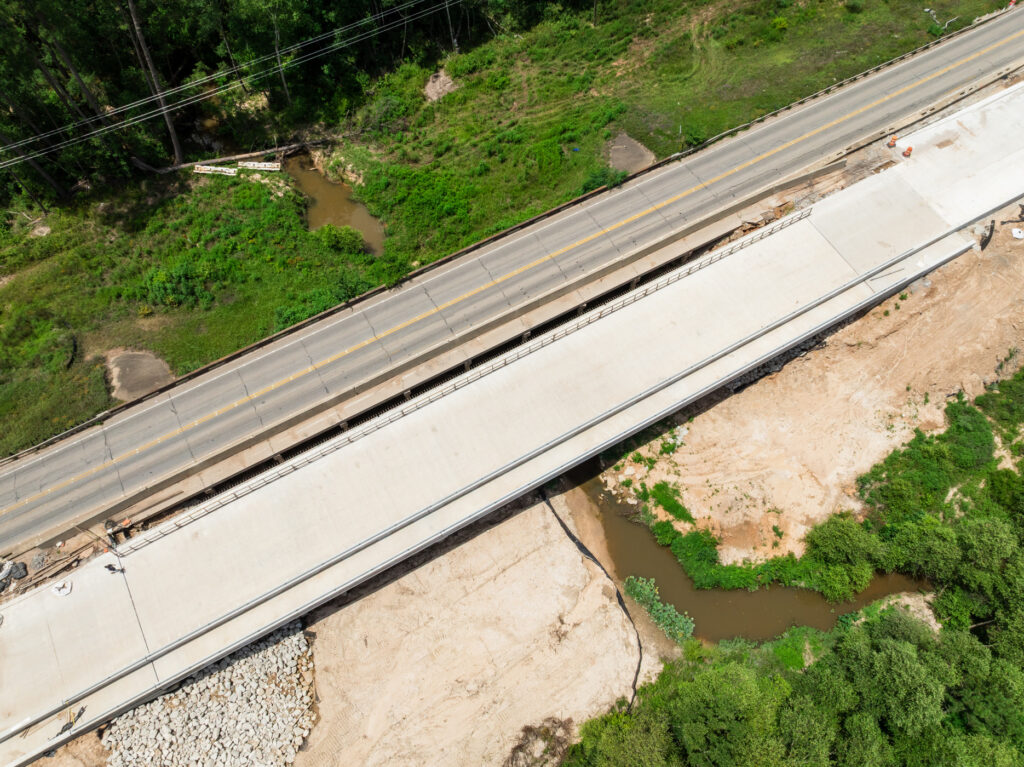
The three bridges—Spring Branch, Lawrence Creek, and Peach Creek—were constructed in phases to maintain two lanes of traffic throughout construction. PGAL’s bridge and traffic control teams developed detailed phasing plans and staging layouts to allow traffic to be shifted onto portions of the new structures while the remainder was completed. This approach maintained continuous mobility along SH 105 and eliminated the need for detours, temporary bridge installations, or additional ROW.
Drainage was a major challenge due to the flat terrain and wide floodplain crossings with a history of roadway overtopping. PGAL’s in-house drainage team addressed this with a combination of storm sewer networks, ditch systems, and strategic profile adjustments. In-line detention using large box culverts was integrated into the storm sewer to eliminate floodplain fill and downstream impacts, avoiding the need for costly detention ponds. Wide, flat-bottom ditches with weir controls were also designed to maximize storage volume.
Utility coordination was also complex, involving 14 utility companies and extensive coordination with the City of Cut and Shoot, which lacked accurate records and staff support to tackle this large relocation. To maintain the letting schedule, PGAL’s team stepped in to provide full SUE for the city’s utilities, designed the relocated water and sewer lines, and helped secure relocation funding through the SIB loan program.
PGAL also provided management and coordination throughout the ROW process that included meeting affected property owners, ROW and temporary easement mapping, and expert witness testimony at ROW hearings.
US 281 New Mainlanes + Frontage Roads
SH 11 Rehabilitation and Shoulder Widening
Clinton Drive Port Entrance No. 8 to IH-61
SH 7 Rehabilitation + Widening
SH 351 Bike & Pedestrian Infrastructure
RM 2147 Rehab + Widening
Westpark Drive: Dairy Ashford to Wilcrest
Wilcrest Drive: Bellaire Boulevard to Beechnut